I think what made the Mythbusters special was this: of course they would always ask, and test, “could the circumstances of the myth produce the described result?” but they ALSO always took the extra step to “under what circumstances, no matter how extreme, could the described result be achieved? ” and it was fucking spectacular every time
Yesterday was Steve Irwin’s birthday, and his memory was celebrated internationally. Steve was an incredible man who contributed a huge amount to public awareness about reptiles and who inspired a generation of conservationists. But on a day when he’s so heavily featured in the media, we also need to be able to acknowledge and discuss the problems his legacy has unintentionally caused.
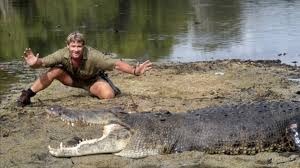
Steve’s show popularized a way of interacting with wildlife that isn’t appropriate for non-professionals, and which is now considered unacceptable in most other situations. His fame came from the fact that he purposefully went out and, as we say on this blog, fucked with wildlife. As a trained animal professional, he was able to do that with a high standard for safety and with consideration for the welfare of the animals involved.
Unfortunately, because the planning and welfare concerns involved in filming the show weren’t visible to the public, one of the lasting impressions it left is that it’s fine to go mess with wild animals if you love them and know a bunch about them. Instances where people try to emulate his behavior are frequently responsible for injuries, deaths, and the displacement or euthanasia of the animals involved. Bothering wildlife simply for the pleasure of interacting with it personally is widely recognized as detrimental to welfare, but people frequently justify that it’s acceptable because their idol acted similarly.
Had Steve Irwin lived, I fully believe he would have changed his practices with the times. I’m sure he’d be appalled by the people who go pet / purposefully get injured by wildlife to show off or go viral online in his name. Animal Planet just picked up a new show with an host who is famous for utterly inappropriate interactions with wild animals – getting hurt by them on purpose, or “conveniently” finding tame individuals that will snuggle with him on camera – and it’s being marketed as being inspired by Steve. I can only imagine how much he’d hate to see someone who purports to emulate him teaching public it’s acceptable to disrespect wildlife that way. He was always in it for the value of educating people about how incredible the animals on his show were, not for the personal glory of getting to interact with them.
But the thing is, he didn’t live. And so, with his death, he was canonized as a saint to the people who idolized him when he was alive. That’s left no room for anyone to discuss the other effects of his work and his TV show – because it’s normal for people to get mad when their heroes are criticized posthumously.
The problem is that we need to be able to have that conversation. The fact that people feel entitled to interact with / befriend / tame wild animals – even very dangerous ones – is a well known problem that viral videos are responsible for exacerbating. Any animal professional who interfaces with the public is familiar with how much effort is put into begging and cajoling the public to just leave wildlife alone.
A big part of being able to change the public perception of appropriate interactions with animals is understanding the cultural forces that influence their current actions. We can absolutely love the work Steve did and still remember what a wonderful person he was, while also acknowledging how his influence has shaped a lot of the harmful ways people currently interact with wild animals.



 ifesbob