Does this sound like you? You’re a person who cares about the environment. Generally, you try to be pretty ethical, and you care about causes pretty deeply. You’re kind of removed from global biodiversity hotspots- maybe you live in urban/suburban USA, like most of this blog’s readers, and maybe you don’t really think of conservation as much of a human rights issue. Maybe you think we’re the “bad guys,” but you’re not really sure or you don’t think much about who “we” are. You don’t have a super deep connection to the land, and you’re not an expert- but you care about the environment, you recycle, you carry a reusable water bottle, you take public transit, carpool, or bike when you can. Wherever you live, these are probably options you have available to some extent. Maybe you listened to a lot of Raffi as a kid or watched Captain Planet, or really just kinda like this planet and all the creatures on it- but you maybe struggle with talking in depth about conservation. You get a lot of ideas and you read a lot of things, but most of the time everything seems like it’s Good or Bad.
Perfect. You’re great. Let’s talk. This post is for you. This is how you can empower yourself and others and help steer the conversation around conservation. This is how you can help foster a better understanding of some of the subtler issues surrounding global biodiversity, and this is how you can do it in a way that doesn’t put the burden on easy targets who are part of a much larger system.
When you talk about conservation issues, you can’t forget the humans who live there- wherever “there” is in this case. Consider why they might be in a situation where poaching isn’t just the best option, it might be the only option. What other resources and opportunities do they have in these communities? Is the available labor fair? How has the history of geopolitical/economic development affected the area? You just need the basics, really, for these considerations. You don’t need to be an expert. You shouldn’t feel guilty- you’re not responsible for the actions of the past- but you should feel a quiet sense of resolve. Feel your back get a little stiffer? That’s you realizing how much better these conversations will be if you look at the big picture. You can do better. You can make things better, and a great way to start is by looking at the language you’re using and the way you think about countries other than your own. This is especially true if your country has benefited from having colonies (or things that function as colonies- territories, holdings, dependencies, dominions, protectorates, that sort of thing all count).
The answer to global biodiversity loss and endangered species conservation is not what a lot of generally well-meaning people think it is, because there’s a crucial puzzle piece missing from many are willing to talk about- and that’s people. We’re animals, too, and we are not exempt from food webs. We are not exempt from water cycles. We might be able to mitigate some of the negative, but not all of us can- and none of us can forever. We’ve created a mess of things, certainly- but that doesn’t mean we can’t do things to fix it.
But the way we have to think about fixing things cannot involve calling for the elimination of human groups. First, advocating for the eradication of human communities is wrong. Do not advocate for mass murder. Someone far more eloquent than I am explained this beautifully. And it’s not just mass murder- the way we talk about how individual poachers should be punished isn’t useful for justice at all. By and large, advocating for murder usually doesn’t solve most problems, and frankly, the death of one poacher isn’t going to do anything for conservation. Second, it’s just plain not fair. Ecological degradation is a global problem, and in many, many cases, the root cause of the problems are not the people in the closest proximity. However, they are often the ones who bear the burden of habitat loss and diminished biodiversity. It’s fine for us here in the USA to say “killing an elephant is morally wrong,” but what do you do when you’re a subsistence farmer who’s looking at a lost growing season again because that elephant has destroyed your crops for the fifth time and you know a guy who can get you ten years’ worth of wages for the tusks, plus you, your family, and all your neighbors can eat off that animal for ages?
But conservation also doesn’t work when you don’t take local agency, power, and needs into account, and this is what I mean by decolonize your conservation conversations. The next time you see an article about a poacher who was killed by animals, quietly look up that area and see what life is like there. Look up that area specifically– the life of someone who lives in Nairobi is going to be very different than a subsistence farmer. It’s a little extra work, but without it, these conversations are meaningless.
Another trap to avoid is thinking that anybody else can just go in and fix the problem. That’s like putting a band-aid on a broken leg after the doctor told you that you need to pay them to put a cast on. In this metaphor, the broken leg is the environment, the doctor is the people who live there, the cast is sustainable, long-term conservation methods, the band-aid is foreign aid without local investment, and the ‘pay the doctor’ part is investing in the work that locals are doing. Conservation only works when it’s driven by and for the people who actually live around these places, and no two ecosystems are the same. If you don’t acknowledge the reality of the situation you’re looking at, you’re missing the point entirely. “Save the rainforest!” is a slogan. It means nothing. What rainforest? Why’s it in danger? Who’s threatening it? Why is it being threatened? It’s all well and good to go in and set up, like, a giraffe orphanage or something- but what happens when you run low on money and you have no long-term business plan and you never hired any locals because you can get tourists to come down and pay for the privilege of working with you? Is your plan sustainable? How are you helping the people who know these animals best, who live alongside them? How are you supporting the people who also have to survive? Is your giraffe orphanage respecting local knowledge and contributing to the community that makes it possible? Are you perpetuating a power imbalance that favors you, the visitor, over the people who live there? Power imbalances ruin everything, and that is something that’s easy to miss when you’re first thinking about conservation. Also: money is power. What are these country’s resources and where are they going?
What areas of the world have the most biodiversity loss? Land that’s rich in resources (or was) around the equator. These losses are largely linked to industry, but more than just industry, industry for export- and in most cases, non-reciprocal export. One of the effects of colonialism is that trade back to the colonial power wasn’t equitable. Resources were extracted, but recompense was not rendered in currency, other resources, or infrastructure investments outside of colonial capitals and administrative centers. These weren’t fair trade agreements– they created a lot of wealth for the colonial powers, and massive resource deficits for the colonies. That’s still happening, even if countries have self-governance. So thinking about Indonesia- Indonesia’s losing its forests to logging, and that wood ain’t staying in Indonesia. It’s going all over the world. Unfortunately, Indonesian logging is done in such a way that wildlife traffickers and poachers have an extremely easy job- they just come in and clean up. Some live animals get whitewashed into the pet trade (Indonesia makes up its animal export data); others, and many of the dead ones go to the mainland for the traditional medicine trade. Internal demand for wildlife products in most former European/USAmerican colonies is not the biggest threat to global biodiversity. It’s external demand.
So what to do? Stop global trade? That’s not going to happen- it’s not a real solution. Remove people, create total reserves where nobody can go near the land? Also not a real solution. Putting the entire burden on people whose lives have already been drastically changed by colonialism’s history? Not a solution, and you shouldn’t be asking for that.
Still with me? Good, because this is the fun part! Here’s a baby mountain gorilla as a bit of a palate cleanser.
The good news is that animals themselves are a valuable resource, and if an economy can shift to include that, conservation can become so much easier. My favorite example of this is Rwanda.
Rwanda has a tragic, complicated past with a long history of violence, and their historical conflicts have largely been driven by the fact that the country was treated as a resource extraction point by colonial powers and that these colonial powers used racism as a method to control workers. But as the country has rebuilt in the wake of the chaos of the early 1990s that preceded and followed the civil war and genocide, the ecotourism industry has created an incredible layer of protection around the highly endangered mountain gorilla AND around the Rwandan people. Ecotourism has created a significant number of jobs in the service industry and construction, spurred infrastructure (gotta build roads for the tourists!), made school more accessible to Rwandan children and teenagers, and has really changed the face of the country’s economy… so much so that tourism is the single most important industry in the country- that is where Rwanda’s money is coming from these days. This works because the conservation efforts don’t focus on just the animals. They focus on the people. Village co-ops make decisions about what happens in their area. Conservation is being done in such a way that people who once leaned heavily on bushmeat are now able to feed their families through more sustainable practices- and when they do want bushmeat, they’ve got better access to more common, sustainably hunted species. It’s increased access to domestic livestock through grants from various conservation programs and from visitors- 90% of the Rwandan population is subsistence farmers. This has directly led to a stable population increase, which is unheard of for great apes (other than us, of course). Most great ape populations are shrinking year by year, but in 2018, mountain gorillas passed the 1,000 individual milestone for the first time in decades. In Rwanda, that represents a 25% increase in the population between 2010 and 2018. This is working.
Also: they employ the poachers. Why? Simple, they know where the animals are. They become park rangers, guides, arborists- they are integral to this conservation effort. Something that’s often very hard to wrap the Western mind around is that while we see these animals as exotic, those are the local wildlife. If you’re a Rwandan living near the Volcanoes National Park, where the mountain gorillas live, you’ve heard about them. You know, or someone you know knows, where they hang out. Some of the fiercest protectors of wildlife are the people who once hunted it- not because they’ve had some incredible change of heart, but because they’ve had a change of situation. This works. Seriously. In one five-year development period, local income for five rural communities in the target area increased 846%, and almost 2,500 permanent jobs in natural resource management and tourism management were created. That’s in one area on one project alone. Funding locally-driven initiatives is something that really, really helps. By partnering and working with multinational non-profits, there’s a level of accountability re: corruption and best practices, but by centering local participation and leadership, conservation organizations can actually create long-term, effective change.
So, what can you do? Just keep talking. Jump into conversations about conservation with a more nuanced perspective!
Look for the root of the problem- why does poaching exist in the first place?
Recognize that the people who know the area best- the people who live there- are the ones who need to make decisions about how to use the land and its resources.
Acknowledge that colonialism’s effects haven’t faded and that history affects the present.
Emphasize the work of local leaders in conservation initiatives.
Don’t put the burden of defending local practices on people who didn’t benefit from colonialism the same way you might have- instead, loop back to looking for the root of the problem.
Remember the humans.
Keep the conservation conversation going – use talking points like Rwanda’s ecotourism industry as a positive example of how successful eco-geared development can be.
That will not help save the bees at all. They need the excess honey removed from their hives. That’s the beekeepers entire livelihood.
Seriously refusing to eat honey is one of those well-meaning but ultimately terrible ideas. The bees make way too much honey and need it out in order to thrive (not being funny but that was literally a side effect in Bee Movie). Plus that’s the only way for the beekeepers to make the money they need to keep the bees healthy. Do not stop eating honey because somebody on Tumblr told you too.
excess honey, if not removed, can ferment and poison the bees. even if it doesn’t, it attracts animals and other insects which can hurt the bees or even damage the hive. why vegans think letting bees stew in their own drippings is ‘cruelty-free’ is beyond me. >:[
the fact that we find honey yummy and nutritious is part of why we keep bees, true, but the truth is we mostly keep them to pollinate our crops. the vegetable crops you seem to imagine would still magically sustain us if we stopped cultivating bees.
and when you get right down to it… domestic bees aren’t confined in any way. if they wanted to fly away, they could, and would. they come back to the wood frame hives humans build because those are nice places to nest.
so pretending domestic bees have it worse than wild bees is just the most childish kind of anthropomorphizing.
If anything, man-made hives are MORE suitable for bees to live in because we have mathematically determined their optimal living space and conditions, and can control them better in our hives. We also can treat them for diseases and pests much easier than we could if they were living in, say, a tree.
Tl;dr for all of this: eating honey saves the bees from themselves, and keeping them in man-made hives is good for them.
✌️✌️✌️
Plus, buying honey supports bee owners, which helps them maintain the hives, and if they get more money they can buy more hives, which means more bees!
I tell people this. About the honey and what to do to save bees. I also have two large bottles of honey in my cabinet currently. Trying to get some flowers for them to thrive on. Support your bees guys
… uh guys… the whole “Save the Bees!” thing is not about honeybees. It’s about the decline of native bees almost to the point of extinction. Native bees do not make honey. Honeybees are domesticated. Taking measures to protect honeybees is as irrelevant to helping the environment as protecting Farmer John’s chickens.
To help save native bees, yes, plant NATIVE flowers (what naturally grows where you live? That’s what your bees eat!), set up “bee hotels,” which can be something as simple as a partially buried jar or flower pot for carpenter bees, and don’t use pesticides. Having a source of water (like a bird bath or “puddles” you frequently refresh) is also good for a variety of wildlife.
Want to know more about bees that are not honeybees?
Every place has different types of bees. Every place has different types of plants/flowers. Those hyped-up “save the bees” seed packets that are distributed across North America are garbage because none of those flowers are native in every habitat. Don’t look up “how to make a bee hotel” and make something that only bees from the great plains areas would use if you live on the west coast.
This is every bee that has been observed and uploaded to the citizen science network of iNaturalist. You can filter by location (anywhere in the world! This is not restricted to the US!), and you can view photos of every species people have added. Here’s the page for all bees, sorted by taxonomy, not filtered to any specific location [link]. Have you seen a bee and want to know more about it, but you don’t know what kind of bee it is? Take a picture, upload it to iNat, and people like me will help you identify it–and it will also become part of the database other people will use to learn about nature!
Some native Texan bees I’ve met!
A sweat bee! [link to iNat]. These flowers are tiny, no larger than a dime.
A longhorn bee! [link to iNat] I don’t know where they nest, but I often find them sleeping on the tips of flowers at night (so cute!)
Meet your local bees! Befriend them! Feed them! Make them homes! Love them!
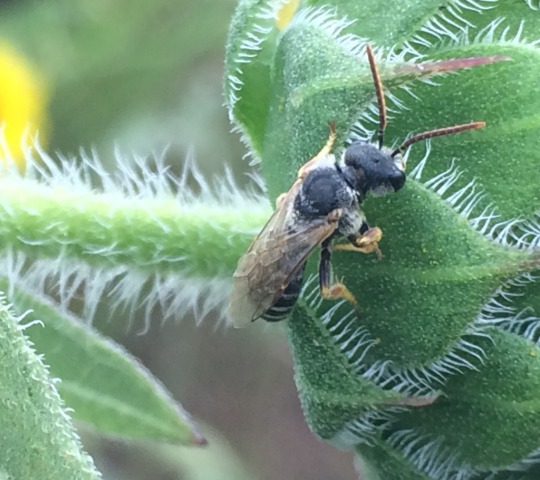
This is one of the native bees I met in Arizona! This handsome man is a male Melissodes sp., AKA a type of long-horned bee. I saved him when he was drowning in a puddle.
I love him
This is a great post all in all but I’d just like to note that colony collapse syndrome is definitely a thing, so domestic honeybees are absolutely in danger as well
Europen Honey Bees are an invasive species in the US and compete with native bees.
Native bee populations are specifically evolved to pollinate certain native plants. Most are unlikely to have a significant effect on the pollination of the non-native crops that people need to grow to survive. It’s true that honeybees will compete with native bees as well, and can be classified as an invasive species, but so long as native bees are supported and native flora is maintained, there is no reason why they shouldn’t be able to coexist. And while there’s a whole different argument to be had about the negative effects of growing nonnative crops at all, if they fail, as they likely would without the honeybees that a large percentage of farmers keep to pollinate their and other local crops, the effects on humanity will be catastrophic
Lest people think I am anti-honeybee (no? I love honeybees?? They are precious??), the above is correct. Like it or not, the way we grow our food (much of which is not native to where it’s farmed) absolutely requires pollinators like honeybees. We would have a hugely massive food crisis on our hands without honeybees.
But, because so much $$$ is tied into the continued production of food, governments and food production companies will do whatever they can to mitigate the effects of colony collapse and other honeybee health issues. What can you do to help honeybees? Buy and eat food. Easy, right?
What is being done to protect native bees? Well,
1) Scientists and researchers are feverishly trying to get them listed as protected species and absolutely failing (see @thelepidopteragirl’s post about colleagues of hers: [link]).
2) Scientists and researchers are trying to get pesticides known to have devastating effects on bees and other pollinators banned and absolutely failing ([link]).
3) Scientists and science communicators (like me now, apparently) are trying to spread this information about native bees and their importance so more people can do little things like plant native flowers (lookup North American species for your zip code here: [link]), change how often they mow their lawns ([link]), and vote out the assholes who are profiting by destroying our environment ([link]). Success on this one: TBD, and by people like us.
As a gift to the honeybee lovers out there, please accept this photo of one making out with a stinkhorn mushroom:
^An excellent post on the complexities of the “Save the Bees” movement
To add, honeybees are also having problems in, you know, Europe and Asia, where they are native!
I feel like that gets forgotten by many, as Tumblr is very USA centered.
Time and Place: Within the last 10,000 years, in the Holocene of the Quaternary
The ‘Akohekohe is known only on the island of Maui in Hawai’i
Physical Description: ‘Akohekohe are a species of Hawai’ian Honeycreepers, a type of extremely unique passerine threatened with extinction due to mammalian invaders on the island. ‘Akohekohe are medium-sized perching birds, extremely distinctive in appearance – 18 centimeters long, with males somewhat heavier than females; both sexes have the same set of extremely distinctive patterns. The birds have white fluffy tufts of feathers above their long, thin, curved beak; black patches underneath the fluff on the head, with an orange patch around the eye. The neck and cheeks have black and white spottled feathers in distinctive patterns, while the back of the neck is red in color. The back itself is red and black, while the belly is red, white, and black. The wings have black and red spots on the shoulder, with black and white feathers on the wing. Finally, the butt is white, the back of the rump is red, and the tail feathers are short and black with white tips. One of the most distinctive and brilliantly patterned birds out there! The females have similar patterns, but are duller in color.
Diet: These are nectar specialists, feeding on the nectar of Ohia flowers, raspberry flowers, pukiawe, ohelo, kolea, and kanawao. Sometimes it will eat caterpillars, flies, and spiders.
By John Gerrard Keulemans, in the Public Domain
Behavior: The ‘Akohekohe will feed in lines on blooming trees, usually going from tree to tree in a regular cycle – even defending territories of trees they claim as their own to prevent other members of the species from feeding there. They make weirdly human-like whistles to one another, before making eerie echoing whistles in response. As for songs, they make reedy whistles and even cowbell-like grunts and squawks to one another. They even make weird ahh-ko-he-ko-heh calls, hence its name!
This bird breeds in small colonies, with each colony adjacent to one another. The males make huge, aerial acrobatic displays to attract females, before singing high in the forest canopy; the mated pairs will feed each other throughout the breeding cycle from November through June. Females build the nests out of twigs, tossed with moss and lichens, usually about 14 meters above the ground in the upper layers of the canopy. They lay one or two grey eggs that are incubated by the female and guarded by the male for two weeks; both parents then feed the babies for three more weeks. These birds mainly migrate in search of open Ohia flowers.
Ecosystem: The ‘Akohekohe live in ohia-lehue dominated forests with koa trees and dense olapa in the understorey; which means they’re almost all above 1500 meters in elevation.
By the U.S. Pacific Island Ecosystems Research Center, in the Public Domain
Other: The ‘Akohekohe used to be much more common and have a much larger range than today; populations initially took a hit after the settlement of Polynesians, as they cut down forests to make farmland, destroying the habitat of the birds. However, they did bounce back some from that, and it was sustainable. The arrival of Europeans lead to even more deforestation and the arrival of rats and cats. These animals attacked the eggs, chicks, and adults of many birds, and also ate the flowers (in the case of the rats) that the birds rely on. The unusual appearance of the ‘Akohekohe also lead to collectors poaching it, leading to even more decline. Mosquitoes introduced to Hawai’i spread dangerous diseases to the birds. Invasive birds released by European settlers on the island also lead to sharp declines in population.
Today, there are not many of these birds left; climate change also severely threatens them. It’s protected by law today, well, by like ten different laws; recovery plans are in place to try and keep the birds safe, and many of their habitats are very well closed off. Hopefully, continued responsible practices will keep this bird around, but it’s a delicate situation.
Time and Place: Within the last 10,000 years, in the Holocene of the Quaternary
The Striped Honeyeater is known primarily from Eastern Australia
Physical Description: The Striped Honeyeater looks how you’d expect – striped! It is a long, slender bird – about 21.5 to 23.6 centimeters in length, with the males a smidge heavier than the females on average. It has a short, pointed bill that is black at the tip and swirled with white closer to the head. The head is white with black stripes, although the mouth and throat are pure white. The black stripes extend down the neck and the sides of the body, while the belly remains white. The wings of this bird are light brown, with a little bit of black striping; the tail is medium lengthed and also light brown. In all, a very visually striking sort of bird! The sexes look alike in terms of color. The juveniles are similar to the adults, but have dark brown streaking on the head and neck and dull streaking on the body.
Diet: Though the Striped Honeyeater does eat nectar, unlike its relatives it actually subsists mainly on invertebrates, and occasionally seeds and fruits.
Behavior: To find food, the Striped Honeyeater forages in the upper branches of trees, hanging from branches to reach flowers and the undersides of leaves and twigs. It will even hang upside down, reaching as far as it can to get food. Sometimes it also flies, briefly, to grab food in midair. Sometimes individuals have been observed taking its prey to a branch, putting it underneath its foot, and dismembering it before eating. Sometimes they even use their sharp beak to get inside of a larva case to get the food out of it. This bird will forage usually in mated pairs or very small family groups; flocks rarely get above 12 individuals in size. They’ll also forage sometimes with other honeyeaters, though it’s difficult to see this, as it is a very shy bird.
By Mdk572, CC BY-SA 3.0
Despite being a very shy bird, the Striped Honeyeater is extremely noisy, making sounds throughout the entire day. While perched, it will make a loud melodious warbling, often bubbly in tone. While flying, they make sustained phrases – chee-a-ree chree chirrup, which rises in pitch and volume. Mated pairs also duet with one another, but these aren’t synchronized, creating a very complicated cacophony with one another. They call each other, saying the word “chewee” for about three seconds. At the nest, they make soft warbles, unless they’re defending, when the warblers become short harsh notes of alarm and anger.
The Striped Honeyeater begins breeding in August, but it really picks up in October; the mated pairs nest mainly alone, though cooperative breeding does happen sometimes. Both parents build the nests, which are untidy cups made of grass, hair, roots, and other vegetation held together by egg sacs, spider webs, feathers, and plant down. Emu feathers are often worked into the nest, giving it a very distinctive appearance. The clutch is made of one to five eggs, incubated equally by both parents for a little more than two weeks. Both parents then brood and feed the chicks for another two weeks. The fledglings are then continued to be cared for by the parents. The Striped Honeyeater stays mainly near where it was born for most of its life, though there some movement is observed in response to changes in plant growth.
By Aviceda, CC BY-SA 3.0
Ecosystem: The Striped Honeyeater mainly lives in dry, tall, open woodlands. It is especially common in eucalyptus woodlands, including savannas. They are also sometimes found in shrublands, even arid habitat. They can be found both inland and on coastal regions, sometimes even in swamp-forests and mangroves. They are also common in human-created habitats like parks, reserves, and gardens.
Other: Despite its wide range, variety of habitats, and nonthreatened status, the Striped Honeyeater is still a fairly uncommon bird and hard to spot, especially due to its shyness. Still, its numbers are stable, so it is considered to be of least concern in terms of conservation.
In honor of vulture awareness day, let me ask you a question.
Do you love vultures?
You should.
Here’s why:
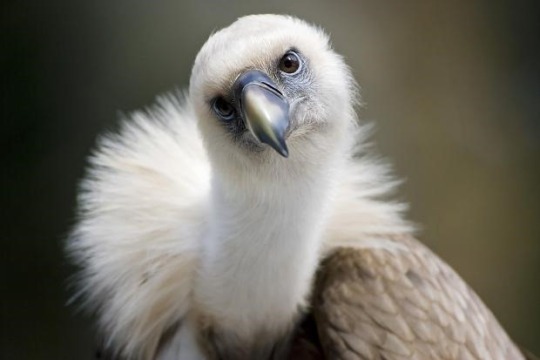
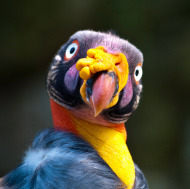
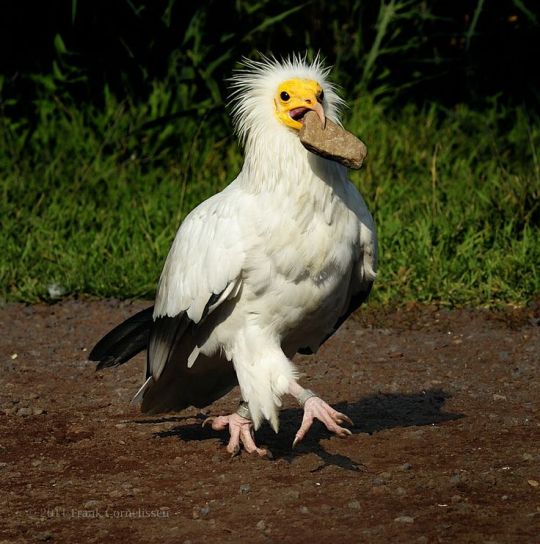
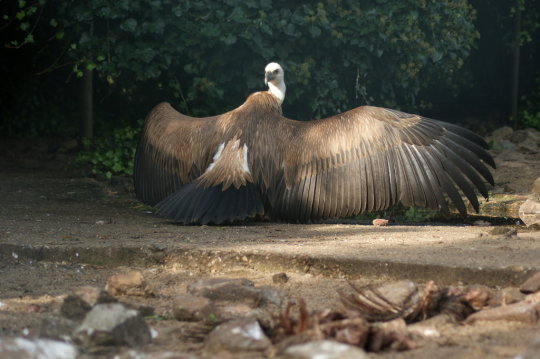
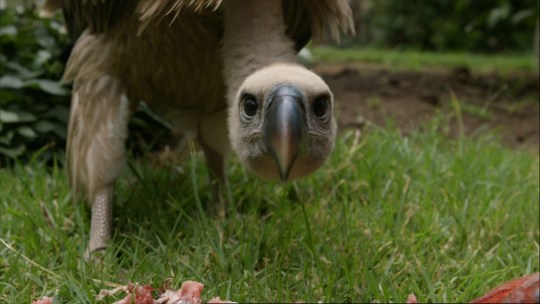
1, They are simultaneously the most majestic, and the most f*cking derpy of birbs. Observe –
2. THEY’RE SO FUCKING BADASS. We all know that they eat dead things. Eww, right? Wrong. They’re capable of digesting fucking rabies, cholera, hundreds of strains of bacteria that would straight up kill your ass given the chance. They deserve ALL of the respect, but they don’t get any, because ‘eww they eat dead things’.
3. THEY ARE FUCKING AMAZING AT WHAT THEY DO – Some of the highest flying birds ever recorded, with amazing eyesight and smell. Vultures are highly specialised – yes, that means they sometimes have bald heads. So what? People are all over sphinx cats and those semi-hairless dogs.
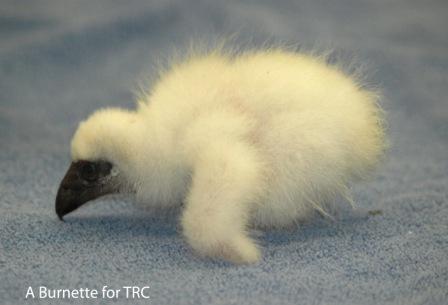
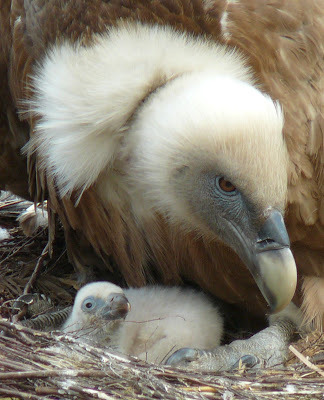
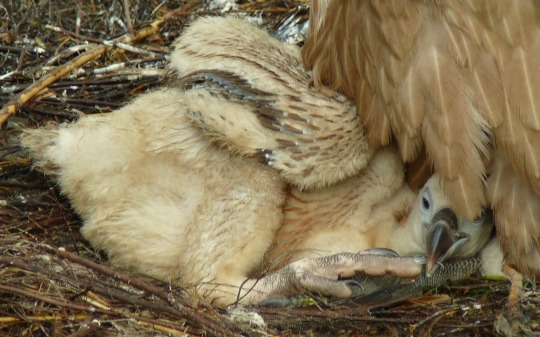
4. If you think they’re ugly, well, look at these precious babs and tell me you still don’t feel anything:
I have more reasons, but, look, I’ll just get straight to the point:
THEY’RE GOING EXTINCT, AND MORE PEOPLE NEED TO KNOW.
Populations of some vultures have fallen more than 90% in the last 20 years, and that’s scary as fuck. Reasons for this range from livestock carcasses being contaminated with certain drugs, to poachers killing them off because vultures give them away. But whatever the reasons, they’re dying off fast, and we need to act before it’s too late. We need to help protect them and conserve them as much if not more than some of the ‘cuter’ endangered creatures.
So what can you do? Here are some useful links if you want to learn more:
Please consider helping our seldom appreciated vulture buddies, either by donating, or even just by helping to change their bad reputation!!
They really are amazing birds ~ thank you for sticking with my long-ass post
😛
IT’S THAT TIME OF YEAR AGAIN, PALS!!!!
in the last year, I’ve visited several bird of prey specialist centres, many of which are now actively championing the plight of our vulture friends – trying hard to endear them to the public and supporting/ participating in overseas causes that help in various ways. One of these places was the Hawk Conservancy Trust which, if you’re in the UK, I HIGHLY recommend – both for the quality of the centre and the displays they run, and for the extensive conservation work they do at home and overseas!
Anyway, enough talk. It’s time to appreciate this sleepy boy.
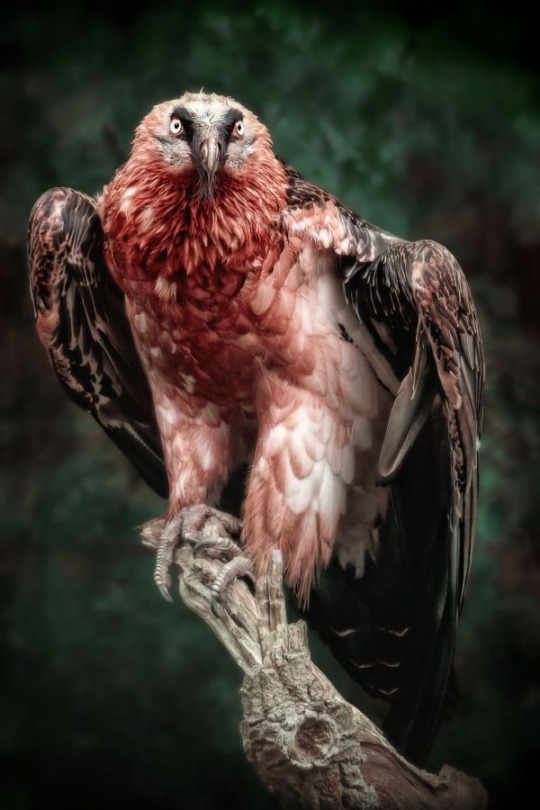
But you forgot my most favorite of all!! The Bearded Vulture (Lammergeier or Ossifrage)!!!
Thanks for the tag! Yup this is… certainly a tiger that was found in Texas!
This whole story is really, really weird. Not quite “bordering on implausible” weird yet, but definitely “I have questions” weird. Here’s what we know so far:
According to the media a “stoner” broke into a abandoned house in a Houston suburb looking for a place to light up, found a tiger in a cage in the garage, and called the non-emergency line. (The police, of course, had to try to figure out if the tiger was real or if the caller was under the influence before responding. The tiger was real.) This person has been characterized by the media as “a neighbor” or “a concerned citizen.”
The house had been abandoned somewhere in the last couple of years: it had been subject to a tax delinquency lawsuit in 2016 after the owner’s daughter, who lived there, ended up in a nursing home; it was foreclosed upon sometime in the last year after the owner died. A dude had tried to buy it last year – and had spray-painted his phone number on the garage door – but the deal fell through. He said he had no knowledge of the tiger that was found there. Nobody has been known to be living in the house.
The tiger was found in what appeared to be a “transport cage” in the garage. While the media characterized it as “rinky-dink,” it appears in the videos to be of expanded metal mesh construction and free of rust.
The cage was bedded down with deep hay, and contained metal bowls. The media said the cat had neither food nor water in the cage. It was only secured with a screwdriver and a nylon strap. More than one media outlet reported that multiple packages of meat were stored “near” the tiger’s cage.
The tiger appears to be well fed (actually overweight), has a good coat texture, and appeared in multiple videos to be inquisitive and not stressed by human presence. Multiple people who have spoken to the media about him characterized him as friendly.
The cat was tranquilized and removed from the house. After spending a night at a local animal rescue facility, he has been moved to a sanctuary in Texas.
Historically, people who own pet tigers have tended to live in the suburbs: it’s a residential area where there are yards / buffer zones between them and the neighbors, but still close enough to the various city amenities you need to easily support a big cat. So that part of the story checks out with what we might expect.
The rest, not so much. We’ve got a well-fed tiger with a decent body condition living in a small cage in a presumably abandoned building. It’s a little fat – maybe it doesn’t get a lot of exercise – but in the videos it doesn’t seem to move like an animal that’s been stuck in a small space for a long period of time. The tiger’s coat looked clean (images where its fur is messed up and/or stuck together appear to be from after it drank from a hose and got wet), and the hay bedding down the cage looked pretty clean in the videos as well. If the hay was urine-soaked or rotting, normally the media would have said so in describing the cat’s living conditions.The tiger just generally doesn’t look like it has spent a lot of time confined to that cage.
What’s more, this tiger appears to be well-socialized with people. I can’t find the original video I watched after the story broke, but it was a long shot where he showed minimal signs of stress, investigated people walking by the cage calmly, and even lapped up water from a hose someone held next to the bars. As noted above, multiple sources confirmed it was a “friendly” cat. That’s not behavior that you normally see in any animals who are abandoned in the dark in small cages, much less big cats kept that way for long periods of time.
The video clips that are being used now show the tiger laying down and panting, while staring at the camera – it’s important to note that’s not the behavior the cat showed in clips from when the officials first arrived at the house, and appears to be from the period when the tranquilizer was taking effect.
We’ve also got no comments from anyone in the neighborhood about hearing or smelling anything odd (tigers are very loud, and their smell gets very strong if they’re kept if kept in one place for a prolonged period without regular and thorough cleaning), and nothing indicating anyone had been seen visiting the lot recently (and it would have to be recent for meat “kept near the cage” to not be totally rotten). Either the tiger had been living there since it was a cub, or an adult tiger and a cage large enough to fit it were moved in at some point. Neither of those is entirely unobtrusive. While it’s only been about 48 hours since the story broke, it’s already been covered by all the major national media organizations and some international ones – I would assume anyone who had suspicions confirmed about something weird in that house that were confirmed by the story might have said something to a reporter by now.
I’m really interested to see how the story plays out. The tiger is fine – he was moved to the Cleveland Armory Black Beauty Ranch, a sanctuary run by the HSUS subsidiary the Fund for Animals.So what I really want to know is what else we’re going to find out about the tiger’s origins. In all the other instances I know of where pet tigers were “found”, somebody locally knew about the cat or suspected it was there; people who legally and openly keep tigers on their properties frequently deal with noise complaints from their neighbors. So… what happened? Did nobody notice? Did people notice and not say anything yet? Was that cat moved into the house recently, and if so, where did it come from?
Another factor to note is that this tiger was found two weeks after state legislators filed new bills that would prohibit private ownership of dangerous animals in Texas. I don’t think there’s some conspiracy behind this tiger’s existence, but it’s an interesting coincidence worth keeping in mind as we learn more details about the case. Animal rights groups have long wanted to tighten restrictions on dangerous animal ownership in Texas, but have historically gained very little traction for their proposals within the state legislature. I’ve been watching the rhetoric from Texas officials and advocacy groups about the safety issues posed to communities by pet big cats ramp up over the last year or so, and so I expected to see these bills show up during this new legislative season; we’ll have to watch and see if they’re more successful now that a dangerous animal that wasn’t safely contained was found in such close proximity to family homes.
As I said with the #CrouchingTigerHiddenData writeups: there absolutely are pet tigers in Texas, and probably more of them than almost anywhere else in the United States. We get evidence of that when one of them is seen / found / escapes every couple of years. The incident rates simply aren’t high enough for there to be thousands of pet tigers in Texas.
@why-animals-do-the-thing not sure if you’ve already seen this or not, but this post raises about a million red flags right?
Yes, absolutely. I’ve gotten tagged in this post a ton of times (not a bad thing!) so let’s take a look at it. This story is a prime example of how clickbait news sites perpetuate really dangerous interactions with animals as cute.
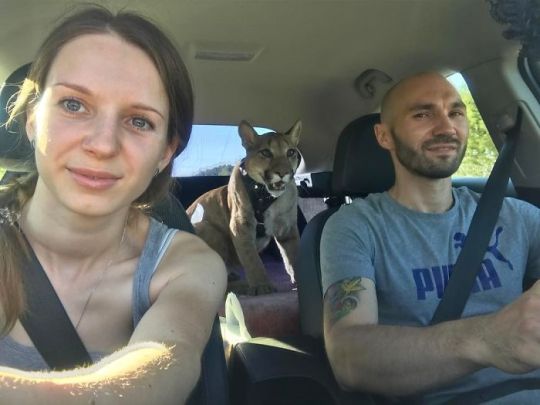
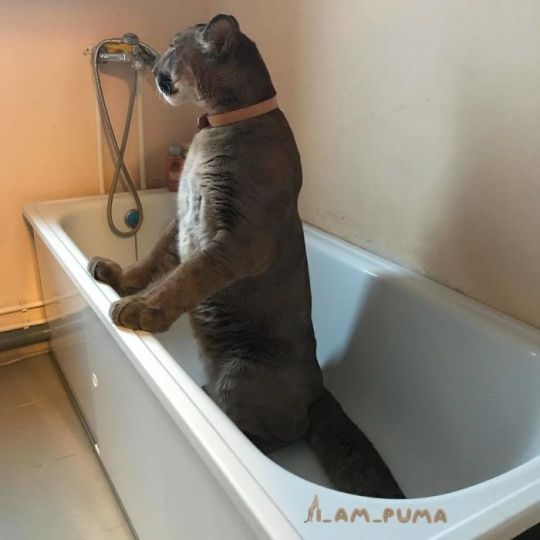
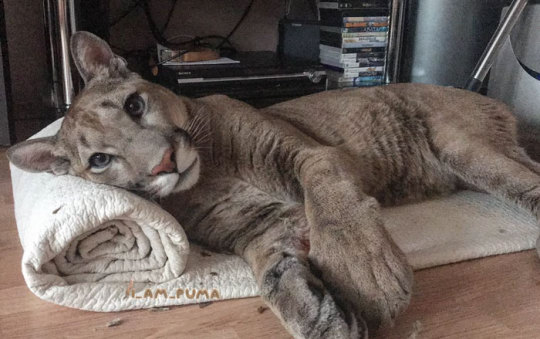
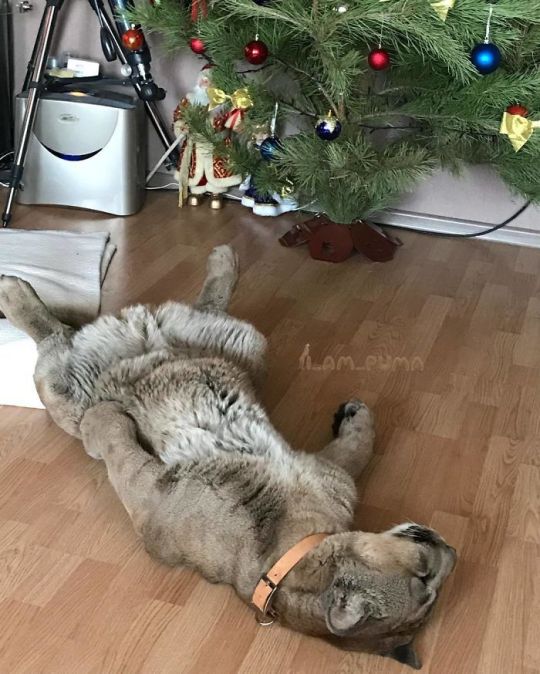
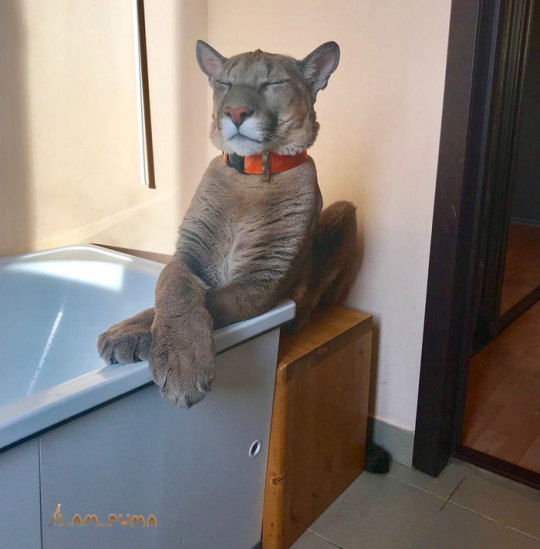
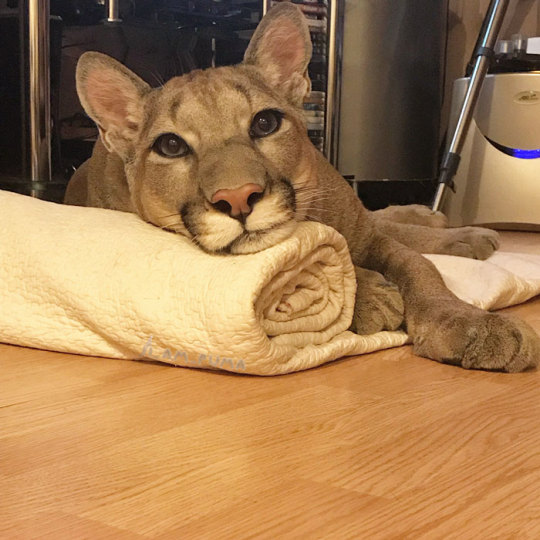
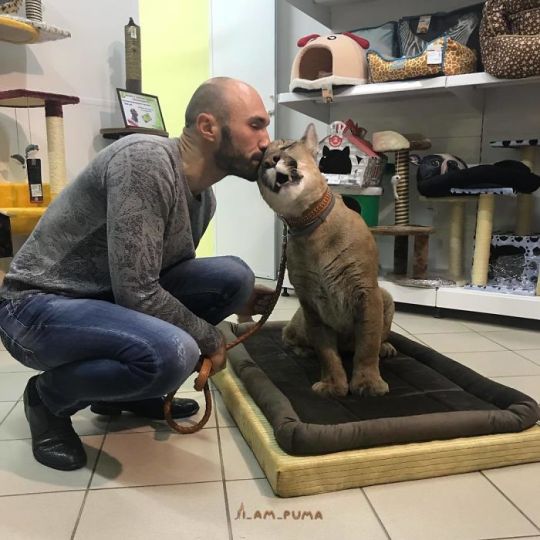
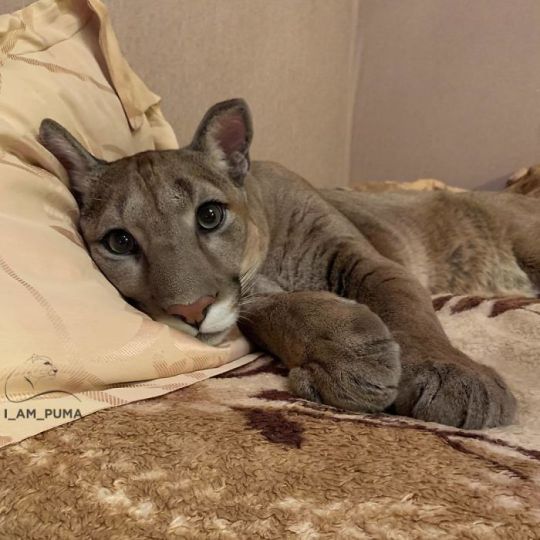
I’m just gonna burst the bubble on this: Messi is not a rescue. Messi is an exotic pet – and one being managed in a very dangerous, irresponsible way. Period, full stop.
Messi was one of three cougar cubs born at the Saransk city zoo in Russia, and involved in some sort of soccer fandom event. When it was over, all three cubs were given to the local “contact” zoo, wherever they were in Russia (I still haven’t been able to track down that facility’s name). The owners went to the zoo, saw the cub, and in their own words “decided they had to have him.” After thinking about it for a few days, they went back to the zoo and convinced them to let them purchase the cub. For whatever reason – whether Messi was sickly and they didn’t want to deal with it, as they say, or simply because it was profitable – the zoo sold them this cougar. Exotic pets are common in Russia, and they have to come from somewhere, so I’m really not surprised that a zoo would be willing to sell one of their animals if someone was really willing to pay. That is not rescue. No matter how they or the media try to frame it, these people literally went “I want one” because cougar cubs are cute, and then followed through on it by buying him.
There’s a whole bunch more in the IG thread they’ve posted about his history, but I’m not going to bother embedding the screenshots. Basically, it says: he was super sick and needed a lot of medical attention, they made their house nice for him, and then they started taking him to group dog training classes, and he can’t be released because of his health issues. Let’s break that down.
Yes, it’s imaginable he was really sick when they got him. The images I’ve seen of the cubs when they were first brought in for the promotion show very, very young animals that are no longer with their mother. According to the posts by the owner, Messi has had issues with underdeveloped cartilage, bone density, and other indicatiors of malnutrition; you can see in photos how messed up Messi’s conformation is even now. I genuinely don’t know if the zoo would have kept him alive with those health issues or if they intended to euthanize him, but it’s really important here to note that the zoo was not looking to rehome Messi to someone who would care for him – he was simply lucky that this couple decided they wanted a pet and offered to buy him.
The way he’s being managed is utterly irresponsible and is setting them up for a tragedy. Yes, they built a lovely indoor setup for him that most domestic housecats would love – but Messi is still a wild animal with wild instincts, and allowing him to free-roam in a house with people and interact (even on a leash!) with small animals is dangerous. Remember that spreadsheet of all the maulings and deaths caused by pet big cats in the US I’ve got? Cougars are the second-mostcommon species for involvement in incidents. He may be small for a cougar, but he still has claws and teeth and predatory instincts that no amount of “love” can erase. At some point they will kick in, and either a person or another animal will get hurt.
Yeah, that screenshot looks like a totally positive interaction between Messi and the housecat. Notice there’s small dog that’s running around unrestrained at the bottom right during the interaction.
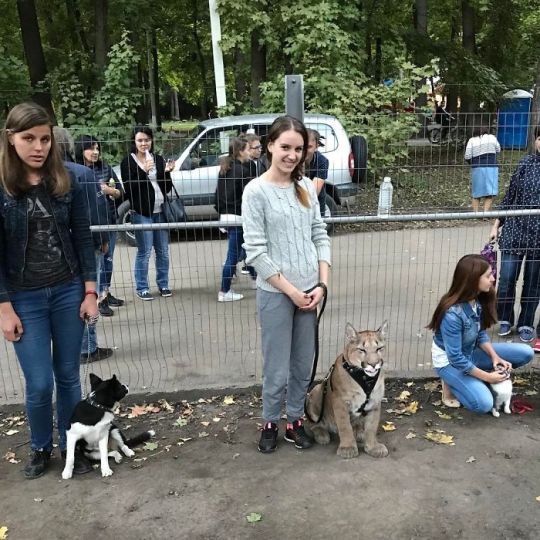
My biggest issue with this whole thing is the way they take him out in public. If they want to endanger themselves and their pets, that’s one thing. But what they choose to do with this cat in public is dangerous and irresponsible. It angers me no end that it’s being lauded as super-cute by so many American media outlets when – if you did anything similar with any big cat in the United States – it would either be illegal or you’d be facing some serious problems with regards to public endangerment. I guess it’s cute when it’s in another country that we don’t feel the need to hold responsible for their animal management practices, right?
One, they take this cat out in public all the time. They don’t secure it when driving (good luck not getting mauled if you’re in an accident and the cat is in pain / escapes), they walk it into pet stores like it’s a domestic animal (and just have to hope it doesn’t go after any of the other pets?), and they take him to fucking group dog training classes. In the extended history that I didn’t bother to screenshot all of, they tell basically this story: they couldn’t find anyone who had ever worked with cougar, so they went to this one guy who had worked with a bobcat once, and then they started taking him to group dog training classes after a while. I’m sorry, but are they actively trying to get other people’s pets killed?? Predatory drift is real, and being in a small enclosed space with a lot of other small animals whose behavior is unpredictable is a great way to set that cat up for failure. Everything they’re doing with that cat is just so stupid and irresponsible I can’t even with it.
Lastly, the claim he can’t go “back to the wild” because of his size is bullshit. That cat can’t be released into the wild because a) cougar are not native to Russia and b) he’s been hand-raised, used for promotional material, tamed, and kept as a housecat. It’s not probable that he even knows how to hunt, and if he was somehow released into the US, he’d turn into a nuisance animal – one that seeks out humans for resources and/or companionship – almost immediately.
The way Messi is being kept goes against every scientifically-backed standard for responsible big cat management. (I can tell you with pretty decent surety that even the people I know who have circus or private non-professional big cat ownership backgrounds would think it’s inappropriate and dangerous. I know it goes against the standards and best practices of even those professional institutions that do allow things like free contact work with big cats). Just because it looks cute does not mean it is safe or an appropriate way to interact with an exotic animal. I’m not kidding that, if you tried even a fraction of what they do with Messi in the US – even just admitting that you have a pet cougar you’re free contact with in a state where that’s legal – the harassment, protesting, and potential lawsuits wouldn’t end until that cat was removed. However, slap a “rescue” label on the situation, put a bunch of cute photos online, and suddenly the internet decides that all welfare and safety concerns somehow no longer apply. So much so that his story is being shared by sites like OneGreenPlanet, which are rabidly against animals being cared for professionally in zoos but apparently fine with people having exotic pets. After all, Messi is now famous on IG and Youtube, and I’m sure his owners are cashing in on his popularity: until someone gets injured or killed because of his owner’s management practices, the groups writing feature articles about Messi don’t have to think critically about what they’re promoting because the word “rescue” is involved. I just feel really bad for the people who will, inevitably, try to emulate Messi’s owners and set themselves up for a tragedy.
There’s an article from the New York Times that was published on the 10th of November that claims that reptiles and amphibians are unethical to keep. However, this article relies on a lot of unsupported data to make its claims, which is a problem because it’s trying to take a moral standpoint based on available evidence… and the evidence used here is bad.
I’ll do a tl;dr now because this gets long. -When you base your ethical opinions on what you think is scientific evidence, you need to look at what the actual evidence is. Not all “scientific studies” are actually worthwhile, valid, or grounded in reality. -Disregard anything Clifford Warwick is involved with because a.) he’s in bed with PETA and therefore has a MAJOR conflict of interest in these studies despite pretending not to and b.) he doesn’t actually have a clue how to do science -You should also not listen to a person who thinks that macaws are good pets (and keeps parrots, including at least one macaw, as a private owner) but it’s unethical to keep reptiles because we can’t provide for their needs. This person is either deluded or has been misrepresented.
The article presents itself as a debate over the ethics of keeping reptiles as pets, framed around this review of some of the issues surrounding the practice. http://veterinaryrecord.bmj.com/content/181/17/450
The review is ultimately hopeful and talks about how many issues are resolving. It acknowledges that there are bad actors and bad elements in the trade (particularly when it comes to illegal importation), but overall things are kind of improving. But the article in the NYT doesn’t really acknowledge the scientific basis behind why reptiles can make good pets and frankly it kind of seems like the author didn’t really read the review fully; instead, it relies heavily on opposing opinions that aren’t grounded in the same level of peer-reviewed science that the first review is.
The article uses a lot of dodgy sources. HSUS is one of them (not to be confused with your local humane society, HSUS is a different animal altogether). Clifford Warwick is another and hoo boy are there issues with using his work, primarily that it’s not based in objective reality. Rather, he’s notorious for making up numbers. One of the big objections to keeping reptiles as pets, which a lot of people have heard, is that 75% of pet reptiles die within their first year of captivity. That’s a pretty shocking number- and blatantly false. This claim was first published in a 2012 study by Warwick- the whole article spends a lot of time leaning on Warwick, which is bad because his scientific methods are simplistic, reductionist, and fear-mongering. Warwick’s 75% fatality claim comes from a really poorly-conducted study which can be found in this article: http://chelydra.unm.edu/consbio_2014/Literature_Discussion/PetHate.pdf
The methods were simplistic: see how many reptiles were imported into the UK over a time span and then see how many people in the UK have pet reptiles. The 75% claim is enumerated as such:
“We calculated that in the six years from 2006 to 2011, over 4.2 million reptiles probably entered the UK trade system. At least 3.2 million of these are likely to have survived to reach households, and just 800,000 will currently be surviving in homes.”
This is going to fall apart very quickly.
Warwick’s legal import data is bad. He pulled it from TRACE, which is an intranational data collection that pulls from all over the EU to track live animal imports and exports. Hypothetically, this could be good! Except… reptile movements aren’t required to be logged in TRACE. You can’t use the data there for good stats on reptiles. It’s misrepresentative reporting.
Imported animals: ~400,000 per year (including an estimated 25% illegal trade, which he pulls from an article not about reptiles, but about the spread of avian influenza)- this is said to be an average+an estimation (so in other words… not an actual number) Animals bred in the UK: ~300,000 Total animals: ~700k, and then take that over 6 years, that’s 4.2 million
There’s some major problems here. First, it’s statistics done by using a handful of estimates and pretending they’re real hard data. Estimates have their place and can be very useful, but this is neither the time nor place to use them. Secondly, there’s no indication as to what those animals were imported for– labs still use reptiles on a regular basis, zoos still import animals, and his 300,000 number is made up. In 2012, when this article came out, the Federation of British Herpetologists (FBH)- the UK’s USARK, basically- reported 250,000 as their number- he added in the 50k just because, I guess. Over a six year period, that’s an additional 300,000 animals that didn’t exist.
So what about that 800,000 number? Well, first, it’s wrong, but also? That’s not the data that the PFMA reported. For 2012, the PFMA didn’t say there were 800,000 pet reptiles. They said there were 700,000 pet reptiles total (300K lizards, 200K torts/turts, and 200K snakes- that adds up to 700K, not 800K)- and these estimates are done by surveying 2,000 randomly selected adults across the UK. An organization that’s significantly better placed to know how many reptiles there are is the Reptile and Amphibian Pet Trade Association (REPTA). This is a professional association that looks specifically at pet trade numbers- not household ownership. Their estimation is more like 8 million- which is a HUGE disparity. But of the two, REPTA has much better data collection methods and a much more carefully targeted survey technique. I rather like this summary/presentation: http://www.repta.org/Overview-of-the-reptile-trade-(PDF)-2014.pdf. It goes into a lot of detail on the state of the reptile trade in the UK, where the discrepancies come from between the PFMA and the REPTA numbers. BUT. This isn’t a piece on the reptile trade in the UK, it’s about why bad science leads to bad opinions.
So. Let’s hop back to that 75% mortality claim.
Simply put, it’s wrong. It’s based on comparing two averages and drawing a conclusion. In the world of Better Science, actual studies have been done on reptile mortality. A PLOS1 article looking at reptile mortality within the first year after purchase came out in 2015- this is the most recent of such studies.
These researchers actually talked to reptile keepers and importers instead of relying on estimates. They went to reptile shows and collected real data and used data collection techniques that hold up to peer review. Their conclusion?
“Overall, 3.6% of snakes, chelonians and lizards died
within one year of acquisition. Boas and pythons had the lowest reported mortality rates of
1.9% and chameleons had the highest at 28.2%.”
This is crucial to understanding why the NYT piece and all of the anti-pet-reptile rhetoric that uses that 75% number are flawed. There’s actual reasons to dislike the pet reptile trade (conservation, unethical breeding, animal welfare standards, to name a few), but not the ones that are represented here.
The NYT article also leans heavily on another opinion piece written by Warwick, which is also full of really bad science. I didn’t mean to turn this into a Cliff Warwick character assassination, but he’s really representative of something here. He’s not animal rights or animal liberation himself (and apparently got litiginous about that once before), but he does consult for AR groups and works with them regularly. He’s also SUPER onboard with fear-mongering tactics. Particularly bad is the use of zoonoses associated with reptiles- what Warwick and his coauthors don’t seem to understand is that this is not unique to reptiles. They refer to dogs as being good pets- and they are! But dogs are also associated with zoonoses. Warwick also makes the claim that “In addition, there are at least 30 behavioural signs of stress regularly observed in captive reptiles, such as hyperactivity, interaction with transparent boundaries, hypoactivity, co-occupant and aggression.”
Well, yes. Those are signs of behavioral stress. Animals do that. They have body language. It’s kind of a thing, you know? I can think of at least thirty behavioral signs of stress regularly observed in dogs. The fact that an animal has body language means absolutely nothing- and the fact that we know what that body language indicates means that captive management, whether in a pet home or a professional setting like a zoo or aquarium, is improved.
I also want to point out another figure interviewed for the article: Lorelei Tibbetts. I’m not gonna tear into her like I did Warwick because she is not pretending to be a scientist, she’s just a vet tech who said something ridiculous and I don’t wanna get too creepy. Here’s her bit from the article:
“Reptiles and amphibians don’t make good pets “and should not be part of the pet trade,” said Lorelei Tibbetts, a vet technician and manager at The Center for Avian and Exotic Medicine in New York. Most of the time, animal patients come to her with metabolic or reproductive issues related to improper nutrition, husbandry and life in captivity.“It’s really not possible for us to care for these animals in order for them to thrive and live a decent life,” she said.”
And yet she sees nothing wrong with keeping macaws- to the point that she has one (listed on her staff page at the link in the article- seriously, I’m not being creepy here, I’m only talking publicly available, published material) and talks about what lovely pets they make. While she cautions against it for most people, ultimately what’s represented is a person who thinks that macaws are appropriate pets while leopard geckos are not.
Or at least that’s what’s published- I don’t know what questions were asked of her, or if there’s more things she said that clarify her position. But as it’s published, it really doesn’t make sense.
Ultimately, everyone has a right to an opinion. You may not like the reptile pet trade, and that’s your right! But when you try to say that science agrees with you, make sure that you know what you’re talking about. Not all data is good data. I know that reading papers is hard work, and I know that it’s super time-consuming, but understanding how to tell good science from bad science is important. We live in a time that can be defined by Fake News- why contribute to that? Why form an opinion based on categorical falsehoods and manipulated data- and why would you want to? That’s I think my ultimate problem with this article. It doesn’t present the sides fairly at all because it gives credence and representation to junk science. The article ends with this: “The contributors to the review (referring to the first article presented) hope that by heeding scientific arguments, rules about reptile ownership will be conceived of fairly.” Science isn’t a monolith and it’s not an actor on its own- it’s a process. It’s a crucible in which evidence is tested and refined and tested again, over and over, until you have something useful- a scientific argument. What are those arguments actually saying? That’s what people actually need to find out.
The funny thing is
Warwick and Co. commented on the paper by Robinson et al trying to discredit their overall 1st year mortality figure of 3.6% and defend their own crap ‘science’.
You can read the academic bar fight between them here…
Bringing this back because I may want my “why is Cliff Warwick not trustworthy” reference on hand. God I wish he wasn’t lead author on that spatial consideration paper.
The original article Kaiju is talking about is from 2017, but this post is still super valuable. It’s a great example of how to work through debunking bad science and/or bad sourcing in news media publications.
What you’re noticing here, between you and your cat, is the difference in facial musculature that comes with a primarily herbivorous diet versus a carnivorous diet.
Humans use our back teeth – flat molars – for grinding and crushing plant matter. To do that, we have to be able to keep it in our mouth while we masticate, so we (and other herbivores) have a large oral cavity, fleshy lips, and a strong tongue.
Carnivores, in contrast, have sharp back teeth – the carnassials, for which the group is named – they’re flattened, with sort of jagged edges, perfect for ripping and cutting and tearing and crushing. To facilitate this style of feeding, you’ve got to have a) a lot of strength at the back of your mouth and b) you’ve got to be able to shove food far enough in you can get it between those teeth.
Let’s look at that first one – bite strength and where it comes from. There are two main muscles that control the majority of jaw movement / ability to gape: temporalis and masseter. When you yawn, it’s that facial musculature that controls the shapes your mouth can form and how far your jaw opens.
When you yawn, it’s that facial musculature that controls the shapes your mouth can form and how far your jaw opens. Notice that in the diagram of above, the direction of action for both masseter and temporalis in humans is fairly vertical, and that the joint of the jaw isn’t in line with the plane of the mouth.
In the model of a lion skull above, temporalis is indicated in blue, and masseter is red/pink.
Masseter is a huge muscle in carnivorous animals – look how much farther back on the skull it attaches in the lion than the human.
The angle of force from masseter in the lion is still somewhat vertical, but temporalis comes in a at a very different angle. The joint of the jaw is in the same plane as the teeth, which basically the entire lower jaw into a lever arm.
The diagram above (which is a model from a study on bite force in predatory bat species) helps with visualizing exactly how much of the bite force and motion in a carnivore’s jaw comes entirely from that giant temporalis muscle.
An easy way to tell which animals have a strong temporalis is to look at where it attaches (called the sagittal crest). The larger the area for muscle attachment, the stronger the muscle will be. Here’s a great example of a very exaggerated sagittal crest from one of the mammal species with the strongest bite force – around 1000 pound per square inch – the brown hyena.
Now, what about opening the mouth wide enough to get food back to the carnassials? That all comes down to the cheek muscle: the buccinator. As mentioned earlier, animals that need to chew food into tiny bits have well developed cheeks – that structure helps store food while it’s being masticated. Since carnivores don’t chew, instead ripping and slicing and then swallowing chunks, they need to be able to open their mouths really wide to get their food in contact with the appropriate teeth; their buccinator muscle is far less developed.
couldn’t find a diagram of buccinator in felids that wasn’t a photo of of a dissection, but one study noted that the muscle is even smaller in cats than in dogs (as pictured below).
See how in the above diagram there’s a notch at the front of the buccinator? The muscle actually originates at the back of the jaw and has two divisions, which run longitudinally (along the long access of the body) before crossing over each other before inserting (ending) at the top and bottom of the mouth. In domestic canids and felids – and likely most predators, but finding studies to support that assertion is proving difficult – that cross-over occurs much farther back towards the corner of the jaw; whereas it appears that in horses and humans and other animals with grinding molars that cross either occurs toward the front of the mouth, or much more of the body of the muscle is involved in that cross-over.
Either way, the result is basically that the cross point in the buccinator will restrict how far the cheeks can be pulled back. Carnivores need to be able to get their cheeks out of the way so they can get food back to the carnassials, herbivores need large cheeks to help keep food in the mouth for food.
TL;DR: You can see the void when your cat yawns because it has evolved to have a) a jaw that drops down like a level arm to crush and tear food with the back teeth and b) minimal lips / cheeks that can pull back to get out of the way of getting tasty things in contact with the carnassial teeth.
You can’t do the same because you have jaw musculature that works on a much more vertical plane, your jaw hinge is positioned for a different chewing mechanism, and you have too much cheeks.
It is entirely possible there is more to the physiology of this than listed here – if so, I would love to read any sources you’ve got to throw at the blog.
On an interesting note: clouded leopards have a crazy gape angle, at close to 100 degrees – very similar to what researchers think sabertoothed cats could achieve. Lions, in contrast, can only get to around 65 degrees. Nobody is entirely sure why they have that adaptation, though.
Another animal with an insane gape angle is the common tenrec. During a yawn or in threatening defensive position they open their mouths so wide you can see the muscles bulging on the inside, as my female portrays above during a yawn (this is not the widest she can open her mouth, but it comes close). Males however have even thicker and stronger jaw muscles:
The extreme angle these animals can open their mouths at is likely (in part) due to the lack of zygomatic arches (cheekbones) and loss of superficial masseter
muscle (the major muscular force comes from the temporalis muscle). One thing’s for sure – they might not have a bite as strong as some of the big cats above but you still do not want to get bitten!















 ifesbob