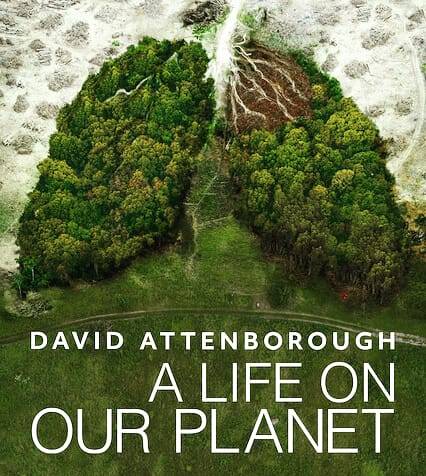
Just finished watching David Attenborough’s ‘A Life On Our Planet’ all the way through.
Everybody needs to see this documentary. It is a wake-up call that things need to change. And fast.
The thing that people need to realise is that it only takes small changes to make a big difference. On an individual level, we can all make changes that won’t disrupt our daily lives in huge ways – we can switch to using less plastic (even if it’s just replacing bottles of soap with soap bars), a few times a week we can choose to walk to places instead of using transport and we can cut down on meat and dairy in our diets. These are just a few examples, but any small contribution makes a huge difference if we all play our part.
But we cannot just tackle climate change on an individual level – governments and global corporations need to recognise the damage they are doing and they need to operate more sustainably. This is has been proven to be possible, for example, Switzerland operates on a tariff scheme which means electricity is generated by primarily renewable means and hydroelectric powerplants produce 60% of the country’s electricity.
With the loss of species, wildfires, violent storms and the coronavirus pandemic, there is no excuse for governments to ignore the devastating effects that humans are having on the environment. Powerful world leaders cannot sit in their chairs, pout and simply say “I don’t think science knows” when they’re presented with evidence for climate change. They also cannot continue to label protest groups such as Extinction Rebellion “terrorists” when they are ultimately fighting for a more peaceful world.
I know that after watching ‘A Life On Our Planet’ I will make changes to try and help as much as possible. I will be careful not to purchase products which contain palm oil, I will try to use less plastic and although I have never eaten meat I will be reducing my dairy intake. I will also vote only for political parties that have sustainable environmental policies.
I hope we can all learn from David Attenborough and put his advice into action. Although there’s a chance we can still save our world, that window of opportunity is closing fast and we can only keep it open if we work together.
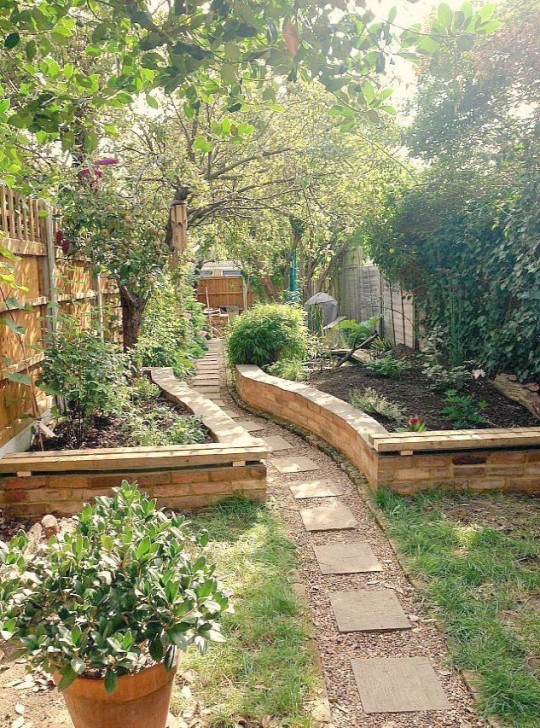
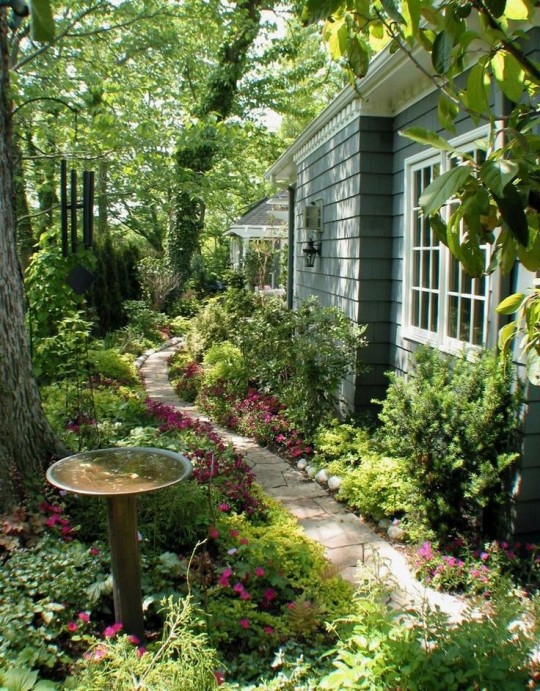
Instead of endless wastelands of mowed grass lawns, consider:
True! Unless you can find an economical way to irrigate, more appropriate lawn alternatives in hotter, more arid places might lean more to prairie meadows using local grasses and wildflowers:
Or, they might mean doing classic landscaping, but with rocks and xeriscape plants:
Or having a cactus garden:
There are lots of exciting possibilities once you throw the classic turf lawn out the window!
these are all so beautiful and all I can think is ‘that stone arc isn’t a stargate and I’m sad about it’
Okay so in LA they’ve had the reusable bag and thick plastic bag for ten cents going on for years but in Vegas they still give you thin plastic bags at every store but they’re these really thin shitty bags that you pretty much can’t reuse because they barely survive the trip from the car to the house.
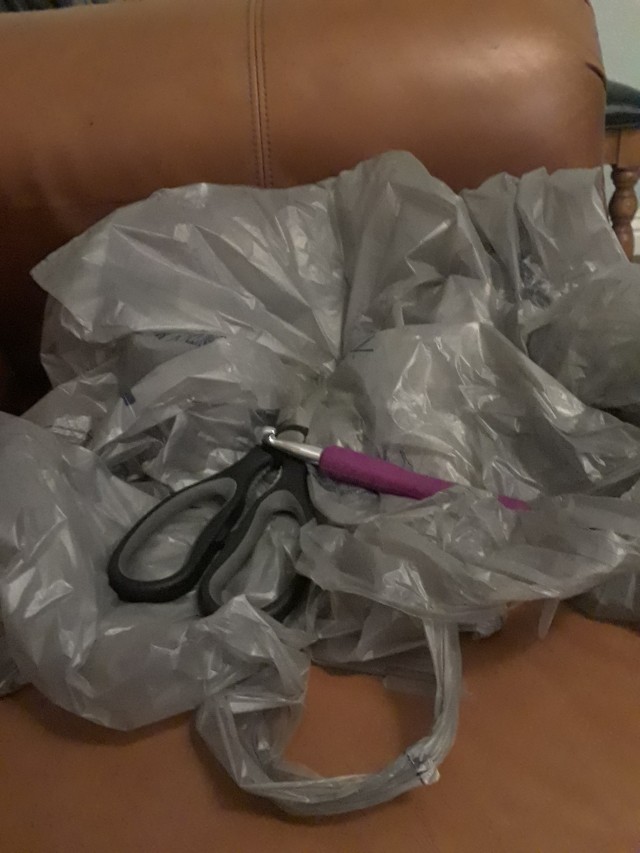
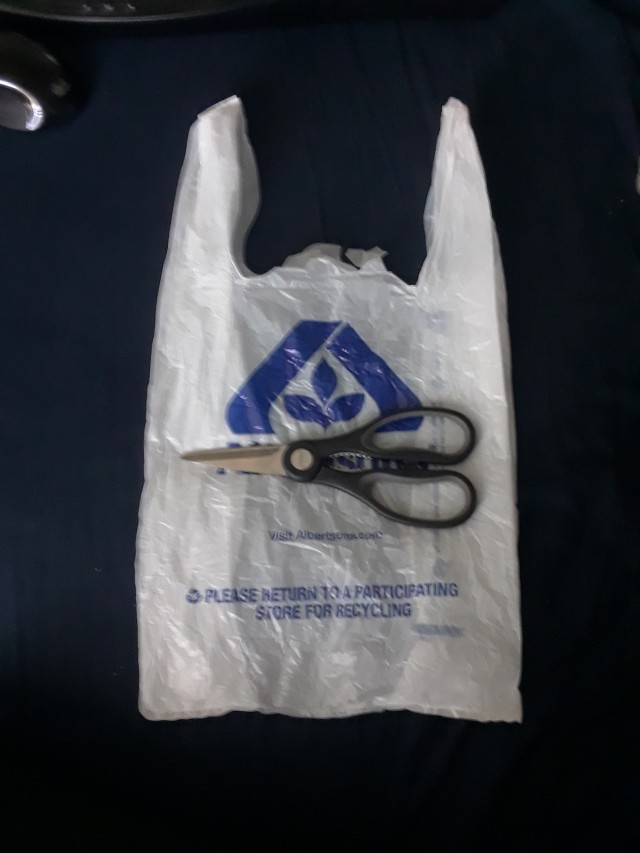
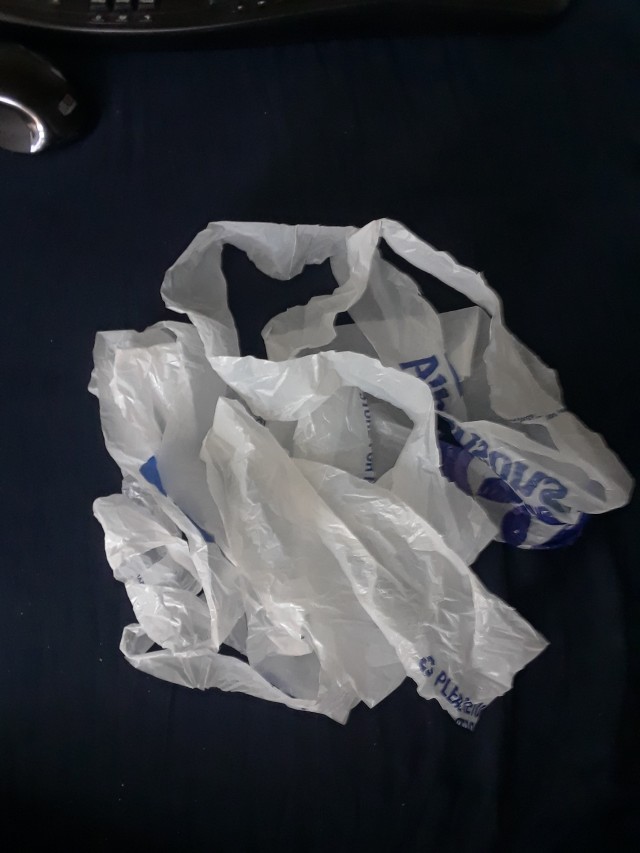
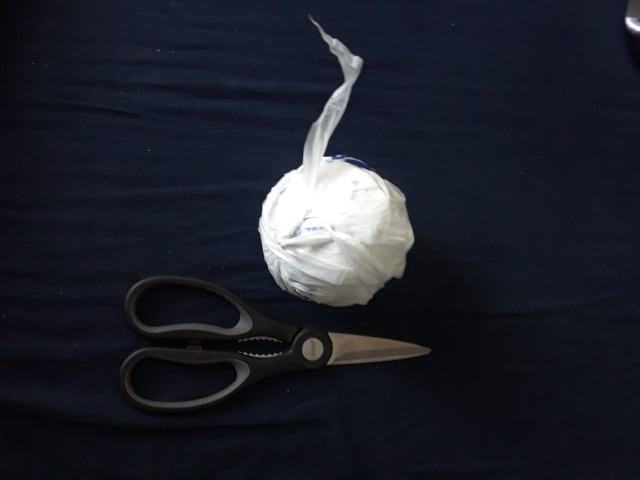
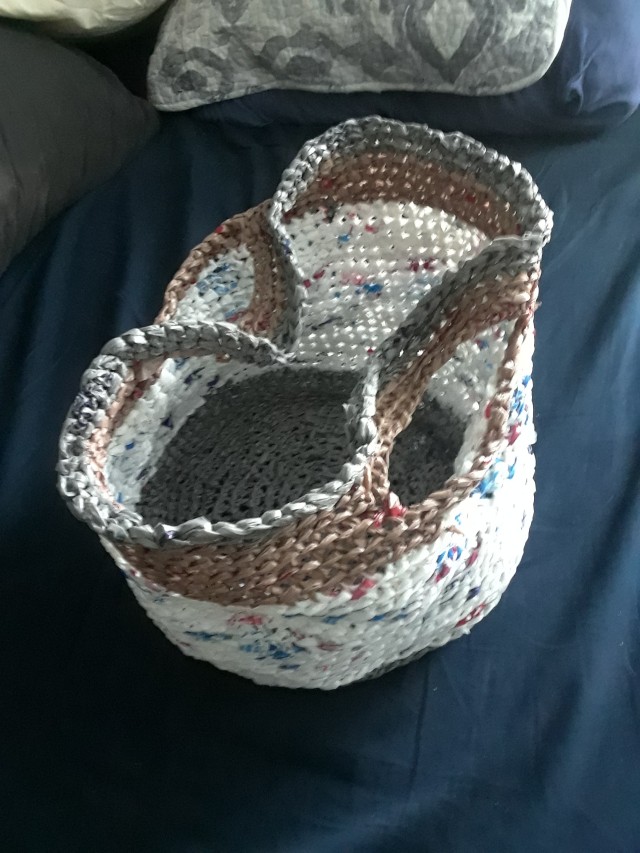
So basically this is how I tell you that I’ve started making plarn that I’m crocheting into a plarn basket that I will use to hold the plarn balls I make in the future in order to control how many plastic bags are pouring out of our cabinets.
How to make plarn:
1. Flatten out a clean plastic bag
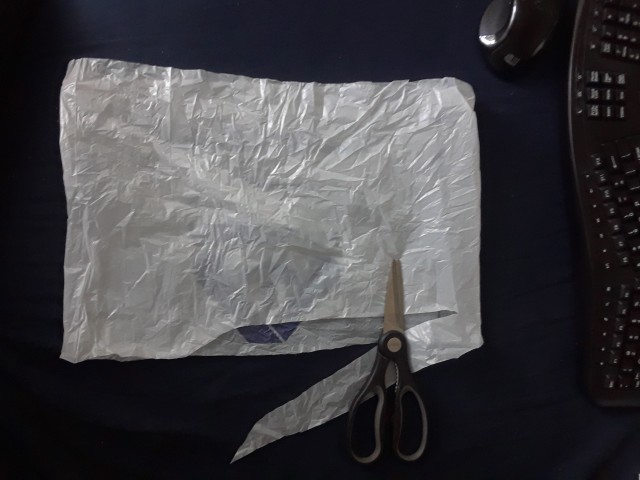
2. Cut off the handles and the bottom
3. Cut diagonally into the plastic until the strand is about as thick as you want it to be. (Probably aim for at least an inch thick, it doesn’t have to be super even all the way around but you don’t want it to get so thin that the strand will break)
4. Cut in a spiral until you run out of bag and then diagonally cut your way out of the final loop.
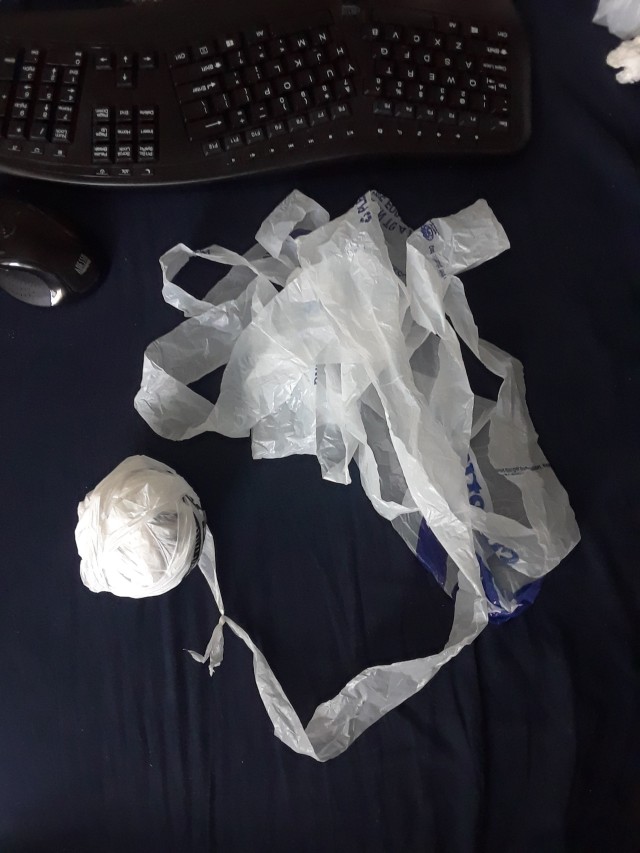
5. Tie the end of the strand to the end of whatever you were working on or to the last stand you cut.
6. Wind or crochet like any other bulky yarn.
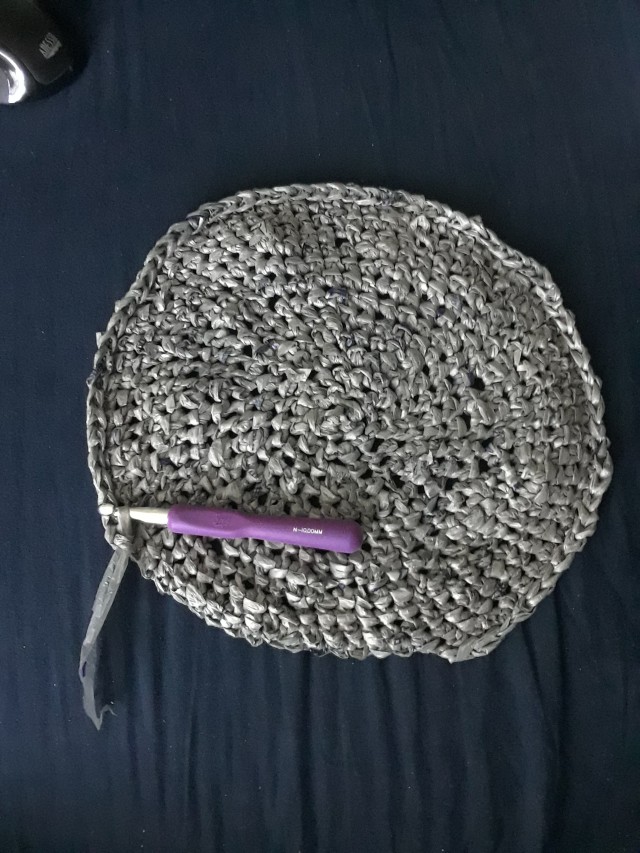
The gray disk at the bottom of this post is the bottom of my basket, I’m using an N/10mm hook in a double-crocheted spiral. (I’ve just started the first layer of elevation)
So far I’m about 10-12 bags in and I’ve been trimming the tails of the joined bags as I go.
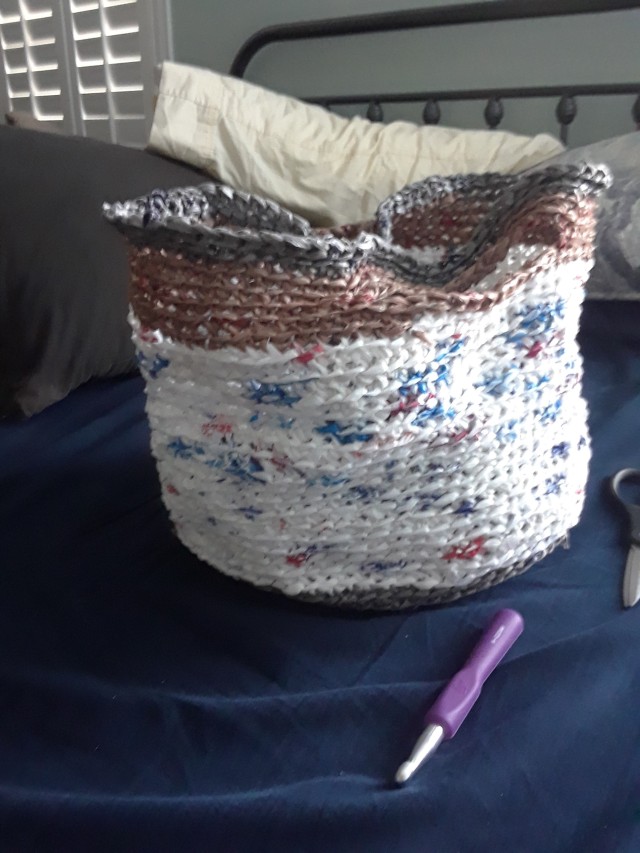
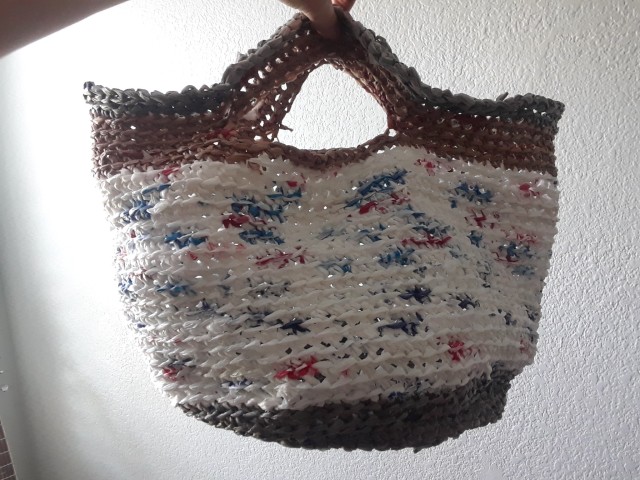
(One bag’s worth of plarn goes about halfway around the disk at this point, I think I’m going to do 3-4 more gray bags before I change colors; bags come in 3 general colors around here so this basket is going to be mostly white with gray and brown accents.)
Also save the bag scraps, you can use them as stuffing. I’m gonna make a big fucking pincushion with mine. It’s gonna be a cube made out of the leftover cat fabric that I don’t want to use for masks.
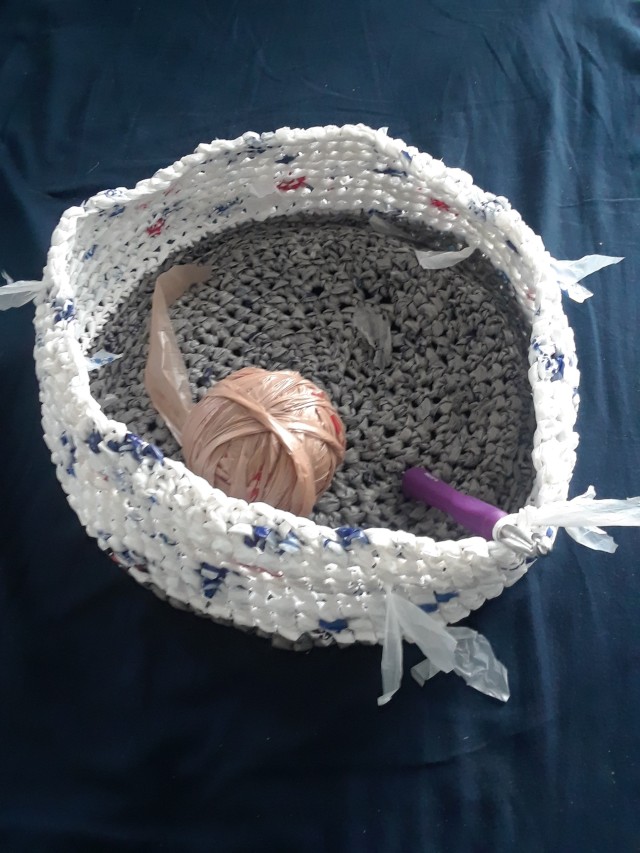
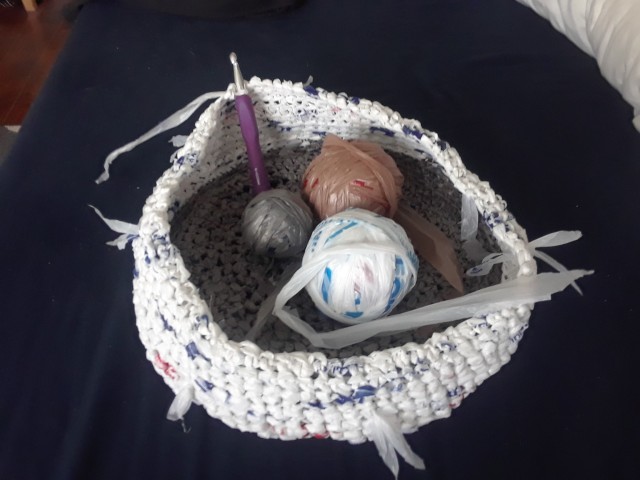
Worked my way through the ball in the first photoset, made some more balls. I’m intrigued by the way the patterns on the white bags show up. I’ve got some Ross and 99 cent store bags in the next white ball to add some purple and blue-green to the mix.
Making this basket might actually exhaust my current supply of plastic bags, so I’ve asked my dad to set aside his thicker bags for me in LA so I can compare working both materials.
Kind of get the feeling that I’m going to be a complete gremlin and make a laundry hamper out of the thicker plastic.
It’s a little ugly, but it’s going to do a great job of holding my plarn and associated projects.
Oh this is totally apocalypse punk! Makes me want to make my own for use in small grocery runs. Or just to write a scrappy band of fictional survivors using them, haha.
NGL, cutting apart a pile of plastic trash and turning it into thread and rolling it into balls and crocheting it into fabric does feel like some variety of cyberpunk Rumplestiltskin shit.
Good morning to everyone who is going to troll an oil company today 😇
The goal of bullying Big Oil companies over their climate tweets isn’t just to educate people about corporate hypocrisy. It’s to unite activists around the goal of taking away their social license to operate.
Oil majors have admitted to investors that their business would be in deep trouble without broad public support. They’ve also admitted the biggest threat to maintaining social license is public anger over climate change.
Oil companies could remedy this threat by winding down their fossil fuel operations, and investing heavily in renewable energy. But for the most part, they’ve chosen to combat public anger over climate change by investing in strategic communication.This consistent choice of empty climate words over meaningful climate action is why several Shell executives quit the company this week—and it’s why Heglar says social media call-outs are increasingly powerful.
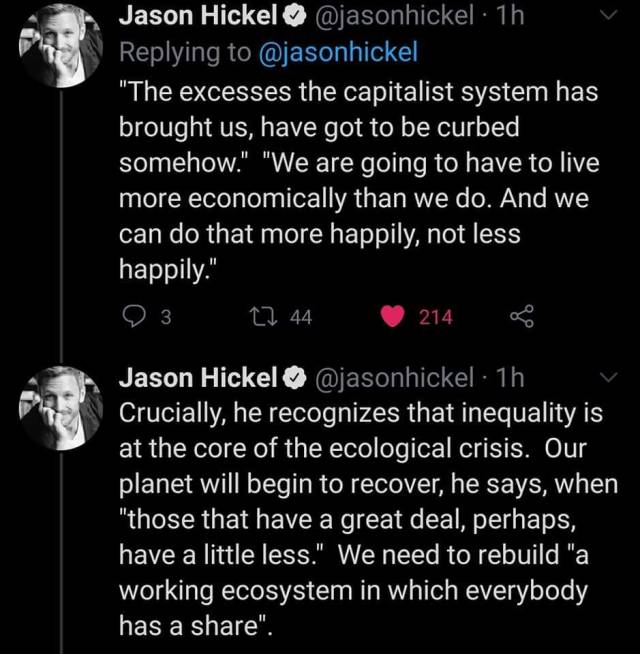
Attenborough’s latest special on Netflix yet I’m begging you to. It’s basically 1 hour of him explaining why capitalism must be dismantled if we as a species are to continue to survive, with a slight nature theme. He calls it his witness statement. Its him no longer trying to put it nicely and just screaming can we please stop destroying our planet and civilisation for FIVE MINUTES.
I think there are few people on this Earth have seen first hand the impact humanity has had on every single part of our biosphere. Attenborough has been to literally every part of our world. He’s seen ice-caps and jungles, deserts and mountains, and he’s watched it all being to die, one little bit at a time. First hand. And he’s an old white man with a title, and he knows it, and is screaming like mad in the hopes that he can convince the other old white moneyed men to just do something, trying to reach the audience that grew up with him on the telly telling them about the wonder of the world.
It’s like he and Greta Thunberg are the two big sides of this fight. Look what you have done to the world I have loved, and look what you are doing to the future I do not have.
How come when there’s a tumblr post about the conservation of any other animals it seems like almost everyone is on board but if there’s a post about insects being important there’s almost always discourse on it like “people are caring more about BUGS than about [some sort of other issue]!!!!!”
For one thing, people can care about multiple things at once.
For another, we literally cannot live without insects and despite their image as super-survivors a combination of pesticides, fertilizers and climate change over the course of only the last few years have plummeted their populations by up to half in some places including the tropical rainforests.
It IS critically necessary to make our civilization more bug-friendly if we care even remotely about the environment and that does have to include a more positive overall image of them because their reputation as gross vermin makes it far more difficult to get ANYTHING done towards their conservation.







 ifesbob