Take a trip to your local marsh this spring; you won’t regret it. Here we see a gathering of male American toads [Anaxyrus americanus] beginning their spring chorus in Sauk County, Wisconsin. Males arrive to the breeding ponds earlier than females and will spend days calling and wrestling in preparation for their arrival. Images by Angus Mossman.
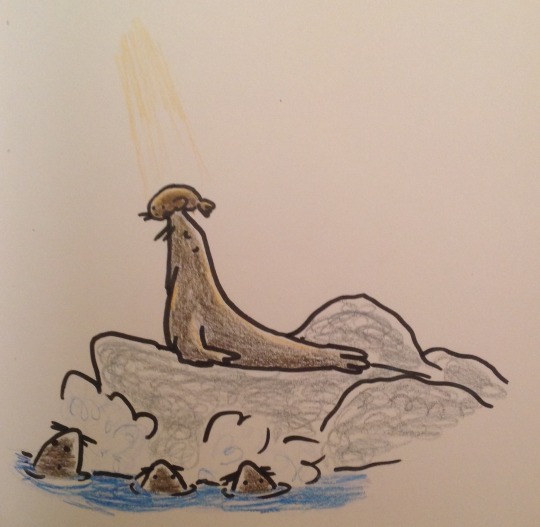
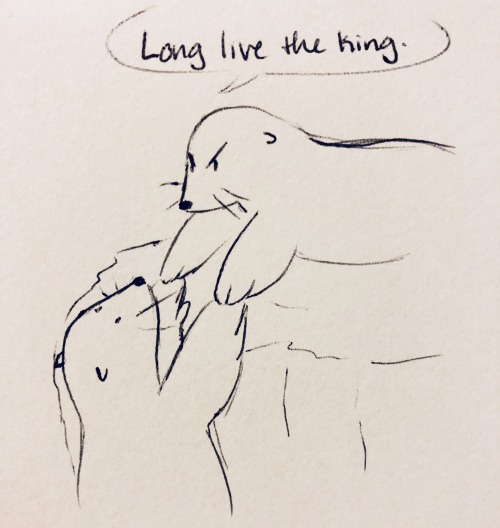
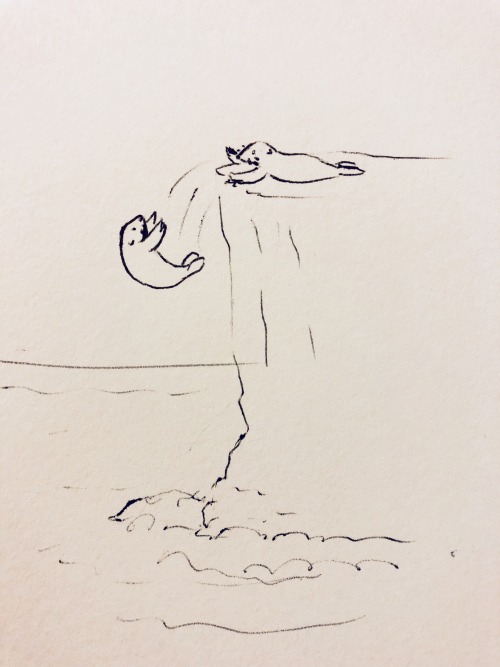
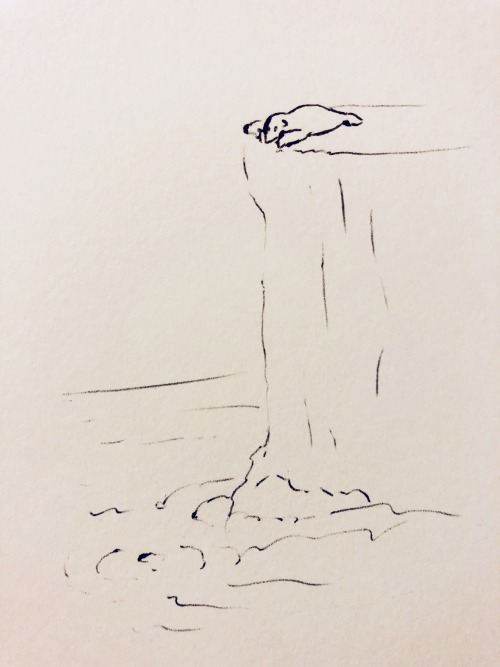
my dad just exploded into laughter out of nowhere and told me ‘imagine the lion king but with sea lions’
he has been chuckling about it for 5 straight minutes now
apparently it
doesn’t matter that i’ve told him 10 times it’s the monkey who raises the newborn and not the lion himself, this is the scene he has been imagining
“he can’t raise his kid over his head”
I want it
okay but have you considered
quality content
Extreme quality
@squorkal can it be my job to find you seal posts? Because I want that job
Okay, but what are frog hands called??? That’s a very important thing for you to bring up so suddenly and then just… not answer!
Apparently the technical term for the thing at the end of a frog’s forelimb is a “manus”, which is just Latin for “hand”. Informally they’re variously referred to as “hands”, “feet”, or “paws”, depending on context, with the first being somewhat favoured, though there seems to be some pushback against this usage from certain pedants rather pissily insisting that it’s incorrect because “only primates have hands”.
I don’t know how to process that clocks are primates
“The paramecium is the consummate model organism. It’s a protozoan that is both easy to grow and easy to study, which means that microbiologists have been able to learn all sorts of secrets about eukaryotic life by watching them. You might even call the paramecium a hero in our pursuit of knowledge. But just as heroes in stories have enemires, the paramecium has its own foe. And it is this strange critter. No, not the big eggplant-shaped looking this. The smaller one, the one that looks a bit like a swimming okra. This is didinium, though it wasn’t always called that. When Otto Friedrich Muller first described it in 1786, he thought he was observing a Vorticella, and so he named it Vorticella nasuta. Almost a century later, Samuel Friedrich Stein would change its name to Didinium.”

 ifesbob