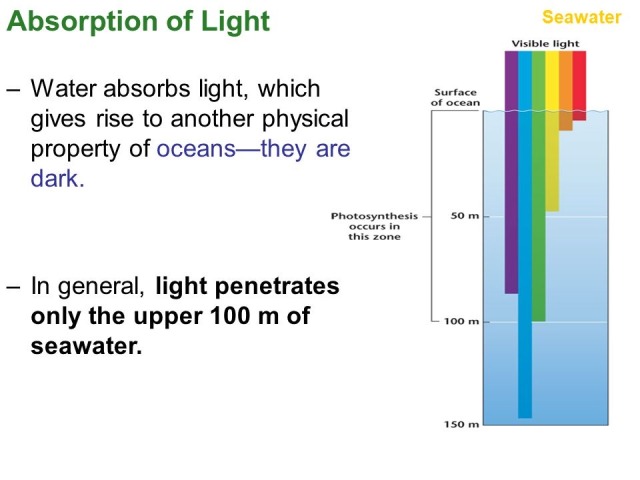
sometimes I think about how red is the first color in the visible light spectrum to be absorbed in ocean water
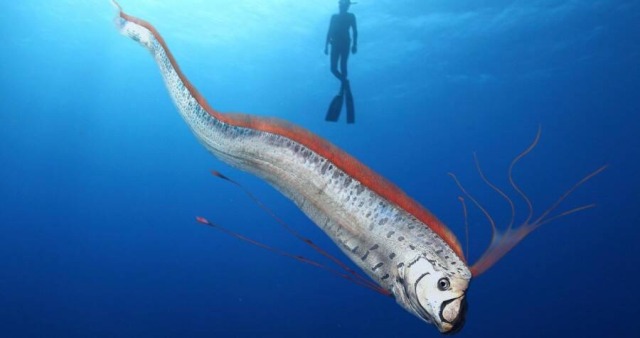
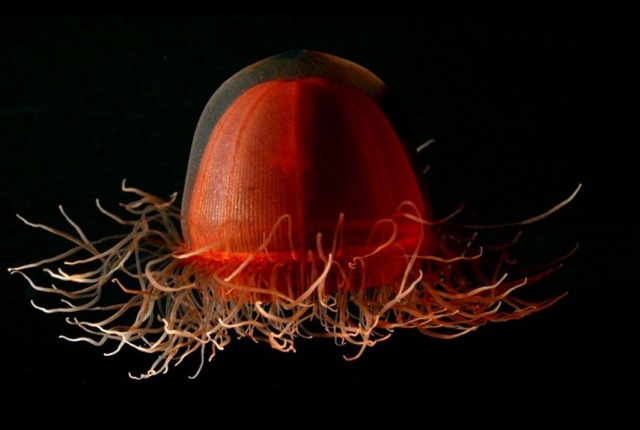
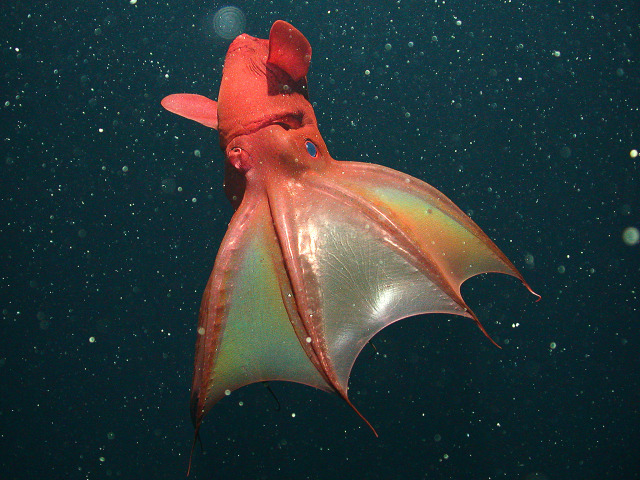
and how many deep-sea creatures evolved to be red as a stealth adaptation, making them near invisible when there’s little to no light present
and it makes me think. If there’s never any visible light present in these animals’ lifetimes, if no ROV shines a little flashlight in depths that would otherwise not have light, would these animals ever get the opportunity to actually be red? that might be a stupid question.
imagine being a little deep sea creature and having no idea you’re red until something comes along and shines a light on you except you still wouldn’t be able to tell because you’re probably colorblind. anyway. I don’t know where I was going with this post
Is color relative? Or inherent? Or both???
Like is color physiological and determined by the shape of whatever pigment cells that will always absorb certain wavelengths and reflect others?
or is color meaningless if there’s no light to absorb and reflect?
Is it completely relative because the way we percieve color is subjective, how even within our own species there are so many different kinds of ways people can observe color?
makes you think
Red light doesn’t make it to the deep ocean from the sun, but that doesn’t mean red light doesn’t exist at that depth!
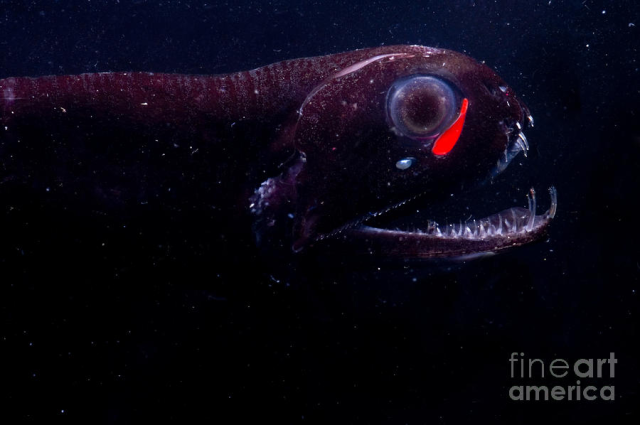
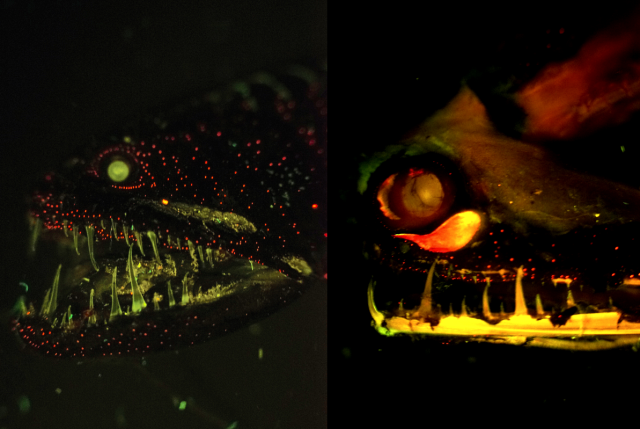
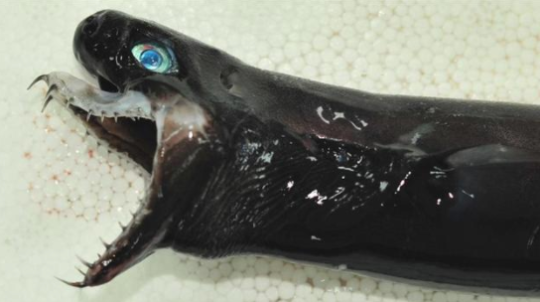
The stomiidae, which include the viperfish, dragonfish, and loosejaws, are one example of a deep sea animal that evolved to perceive and produce red light because it isn’t naturally present in their environment and most other organisms never hit on that adaptation. In most of this group, tiny red lights can be switched on and off throughout their skin to communicate with their own kind in secret.
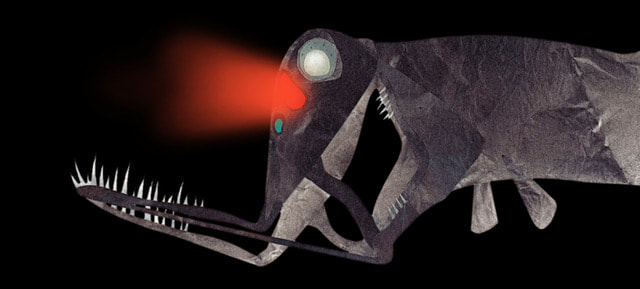
More threateningly, some of them have high-powered “floodlights” of pure red just beneath their eyes; almost no other deep sea fish emit actual BEAMS of light to illuminate what they’re looking at because that’d make them a shining beacon to every larger predator in the area, but since it’s red, the only risk ends up coming from their fellow red-light hunters and those remain just uncommon enough to be worth the chance.
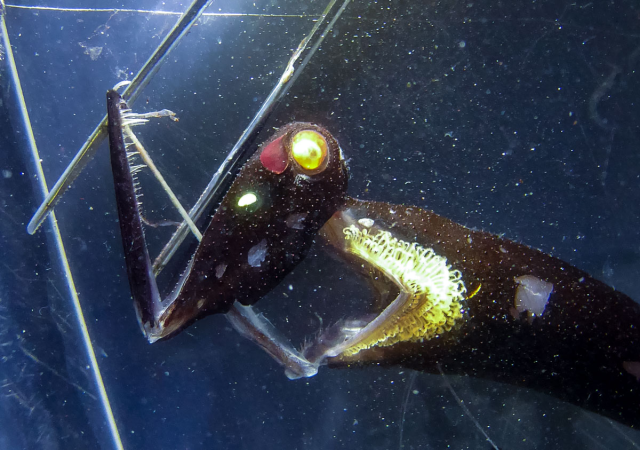
In many members of this group, most of all the loosejaws (hence the name), almost the entire skull can naturally detach from the rest of the body on specialized stalks at lightning speed so that their long, hooked jaws can grab prey in an instant, almost the same exact motion as the arm of a preying mantis:
If you were a little fish in this scenario you would see absolutely nothing but darkness around you and possibly feel pretty safe, because maybe you’ve evolved to blend in perfectly with the surrounding void and you can’t see any blue or yellow or green lights coming to get you. You have no idea that there’s been a spotlight right on you all along until its owner’s face flies off to impale you and shove you whole into its giant throat all in less than half of a second 🙂
someone explain why deep sea creatures are so fucking scary like is there a logical reason was god like hey that’s deep and dark so I shall create absolutely terrifying creatures who will haunt humans in their dreams
Think about the predators up here on land; bigger eyes, longer teeth and bigger mouths. We know these things indicate something that can harm us, or stalk us in the dark.
Now you multiply that the farther you go down the ocean.
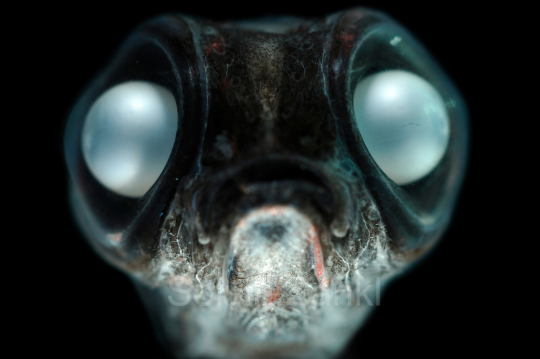
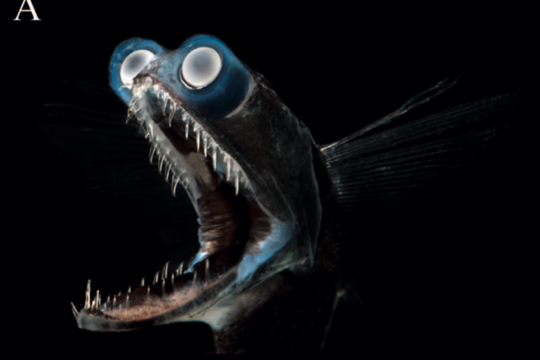
If it’s darker, then they need bigger eyes. If it’s a LOT darker, then their eyes need more and more specialized anatomy nothing could ever possibly need up here in the sun, so by necessity they do not have the kind of eyes we know:
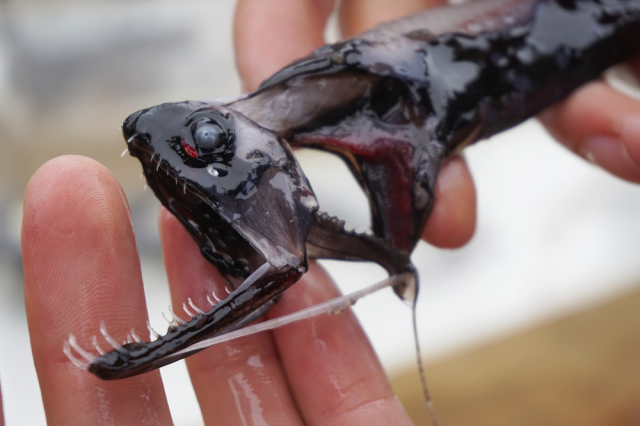
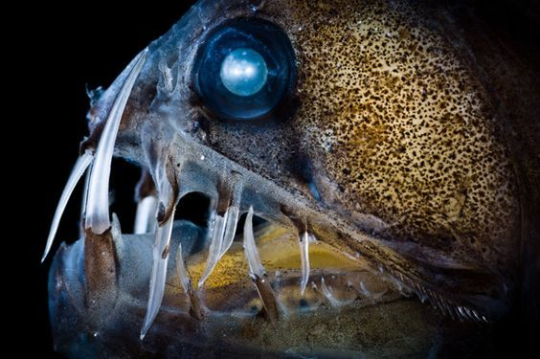
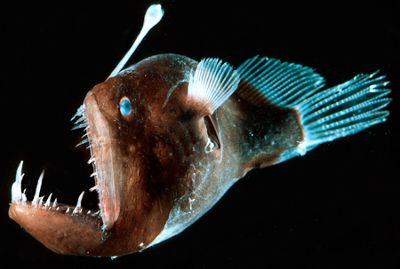
And food is so far between, the predators need even longer teeth, to make sure those rare meals they encounter really can’t escape:
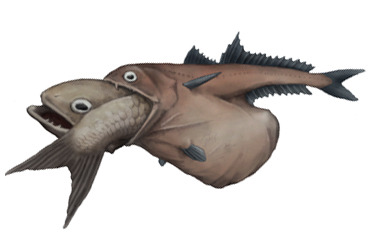
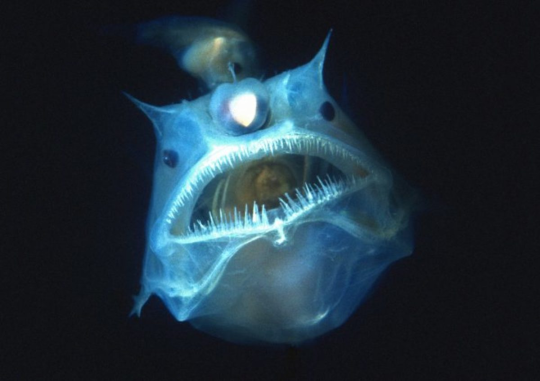
And because it’s dark AND food is scarce, they need big, expandable jaws and bodies that are almost all stomach, to guarantee they can take advantage of more meals and don’t have too much more body to have to nourish:



 ifesbob