Can we please be the generation that stops putting up with the family child molester? The grown uncle who dates teenage girls, the husband who makes uncomfortable comments about young women’s clothing, or the cousin who raises red flags with their behavior towards children but no one wants to talk about all need to go. Children, especially young women, are expected to “keep the family together” by not making a fuss over incredibly traumatic behavior. Children don’t deserve to suffer trauma for adults’ feelings of togetherness. They’re more worthy of protection than predators. A healthy family is not built on the backs of abuse survivors expected to live their lives in silence without justice, support, or protection.
Can we please be the generation that stops putting up with the family child molester? The grown uncle who dates teenage girls, the husband who makes uncomfortable comments about young women’s clothing, or the cousin who raises red flags with their behavior towards children but no one wants to talk about all need to go. Children, especially young women, are expected to “keep the family together” by not making a fuss over incredibly traumatic behavior. Children don’t deserve to suffer trauma for adults’ feelings of togetherness. They’re more worthy of protection than predators. A healthy family is not built on the backs of abuse survivors expected to live their lives in silence without justice, support, or protection.
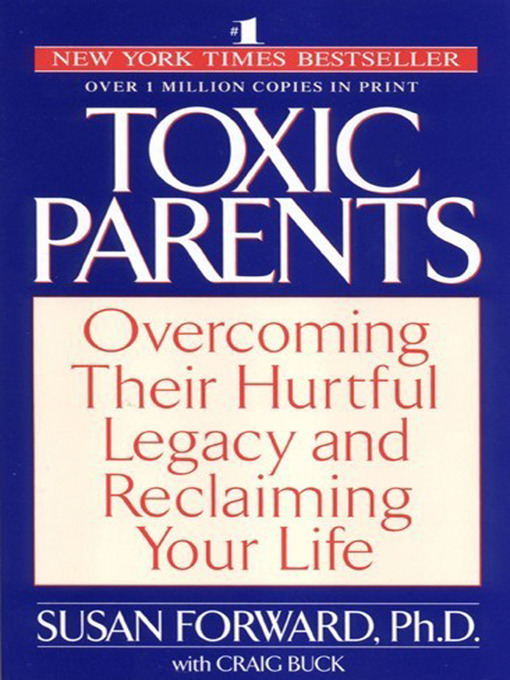
1. You’ve never said or heard the words “I love you” in your house. What is love?? Actions speak louder than words right? Ha, still no.
2. You never wanted to have your friends over for the reason of being afraid of not having enough fun. Your parents always asked you, “why don’t you have your friends over?” but when you did, it wasn’t fun because of the rules and constant secret death glares your parents were giving you whenever your friends did something that broke the “rules”. (e.g. go outside at night)
3. Your parents always got upset at you for the smallest things, like not texting them or calling them back within 0.00001 seconds when you’re out with your friends. Despite what you think, we’re not on our phones 24/7.
4. Your parents never let you do anything fun. Nothing.
5. You were always the friend in the group that:
a) cancelled last minute because your parents just decided to change their mind.
b) said things like “I can’t because my parents don’t want me to.” or “my mom thinks that…” or “my mom says that…”
c) said no to friend gatherings because of your parents. All the time. Not because of anything else.
6. You’ve never ever heard; “I’m proud of you.” Sure, they might’ve said it because you were always disappointed and sad about how you’ve never heard them say that and they felt kinda bad, but you know deep down they’re just saying it. They don’t actually mean it.
7. You were always afraid of having fun because you thought your parents would get mad at you. You knew they’d get mad at you for something, so you could never focus on having fun but instead worried about what your parents would say.
8. You always had to let them know where you were 24/7. “Who are you going with?” “Where are you going?” “How are you getting there?” “When are you going?” Planning something with your friends had to take at least a couple days otherwise it would’ve been deemed “last minute” and you can’t go.
9. You were desperate for freedom. University in the same city? Not even an option for you. But you had to apply anyway because your parents wanted you to go there. But you knew you weren’t even going to give it a second look. You were going to go as far as you could, because this is your chance for freedom.
10. You always heard things like, “we’re not even that strict compared to other parents.” Which made you think your parents were normal. But that went down the drain when you heard how your friends talk to their parents like they were their friends. HA, you wish – you would’ve been dead by now if you talked like that to your parents.
11. You KNEW they were strict when they compared themselves to Tiger Mom. TIGER MOM. “You should see what Tiger mom does to her kids.” “You should be happy we’re not as strict as Tiger Mom.” “Do you want me to start acting like Tiger Mom?”
“At Least We Don’t Beat You” is seen as a badge of honor rather than something that’s, like, normal for some reason.
I was reading this and thinking “My mom never treated me like that, but for some reason I relate to a lot of these” and then I remembered I lived with my dad and stepmom for 5 ½ years.
1. You’ve never said or heard the words “I love you” in your house. What is love?? Actions speak louder than words right? Ha, still no.
2. You never wanted to have your friends over for the reason of being afraid of not having enough fun. Your parents always asked you, “why don’t you have your friends over?” but when you did, it wasn’t fun because of the rules and constant secret death glares your parents were giving you whenever your friends did something that broke the “rules”. (e.g. go outside at night)
3. Your parents always got upset at you for the smallest things, like not texting them or calling them back within 0.00001 seconds when you’re out with your friends. Despite what you think, we’re not on our phones 24/7.
4. Your parents never let you do anything fun. Nothing.
5. You were always the friend in the group that:
a) cancelled last minute because your parents just decided to change their mind.
b) said things like “I can’t because my parents don’t want me to.” or “my mom thinks that…” or “my mom says that…”
c) said no to friend gatherings because of your parents. All the time. Not because of anything else.
6. You’ve never ever heard; “I’m proud of you.” Sure, they might’ve said it because you were always disappointed and sad about how you’ve never heard them say that and they felt kinda bad, but you know deep down they’re just saying it. They don’t actually mean it.
7. You were always afraid of having fun because you thought your parents would get mad at you. You knew they’d get mad at you for something, so you could never focus on having fun but instead worried about what your parents would say.
8. You always had to let them know where you were 24/7. “Who are you going with?” “Where are you going?” “How are you getting there?” “When are you going?” Planning something with your friends had to take at least a couple days otherwise it would’ve been deemed “last minute” and you can’t go.
9. You were desperate for freedom. University in the same city? Not even an option for you. But you had to apply anyway because your parents wanted you to go there. But you knew you weren’t even going to give it a second look. You were going to go as far as you could, because this is your chance for freedom.
10. You always heard things like, “we’re not even that strict compared to other parents.” Which made you think your parents were normal. But that went down the drain when you heard how your friends talk to their parents like they were their friends. HA, you wish – you would’ve been dead by now if you talked like that to your parents.
11. You KNEW they were strict when they compared themselves to Tiger Mom. TIGER MOM. “You should see what Tiger mom does to her kids.” “You should be happy we’re not as strict as Tiger Mom.” “Do you want me to start acting like Tiger Mom?”
“At Least We Don’t Beat You” is seen as a badge of honor rather than something that’s, like, normal for some reason.
I was reading this and thinking “My mom never treated me like that, but for some reason I relate to a lot of these” and then I remembered I lived with my dad and stepmom for 5 ½ years.
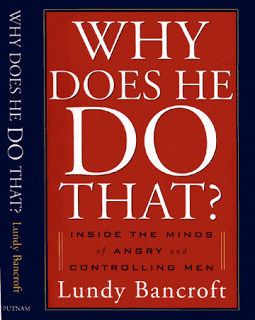
Cannot recommend WDHDT highly enough. I’ve found it helpful not just for romantic relationships, but also for growing up w a “unexplainable/uncontrollable” dad.
IT HAS ALSO BEEN REALLY HELPFUL FOR UNDERSTANDING ONLINE MOB HARASSMENT.
So if you’ve ever been bombarded w threats to be raped/killed, (so…if you’re a minority and you’ve been on the Internet for a while), this book might be useful for getting clarity around the whole entitled, abusive mindset that drives certain kinds of people to behave that way. And by “getting clarity”, I mean (for me) being able to go “oh, that’s what’s happening” and not really feel scared anymore. Or angry, or drawn out into it, or anything.
And if you’re still standing around going “but how does something like GamerGate happen?” or “but why do men hit their wives?” or whatever – please read that book and learn something.
^^^^ truth WDHDT is fantastic at cutting down MRA bullshit and calling it what it really is
Please consider reading these. WDHDT is really, really helpful. And I know some of you are struggling with abusive relationships, friendships, families, etc. You’re not alone. There is help.
Yo. This family holiday, please, please take care of yourself. You aren’t there to be anybody else’s cushion.
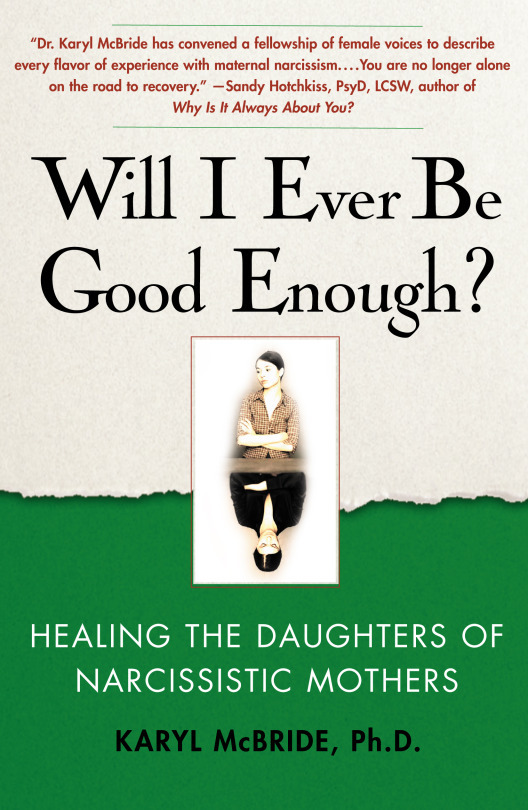
Adult Children of Emotionally Immature Parents: How to Heal from Distant, Rejecting, or Self-Involved Parents
Reading any of these books does not mean you don’t love your parents or family. It’s just self care for helping you cope and not repeat the behaviors.
If you are a man and you’ve been abused before i want you to know that I believe you. I believe that she hurt you. I believe that he hurt you. I believe that they hurt you. You didn’t make it up. You didn’t fake it. You’re telling the truth and I know that a lot of the time you feel like nobody will ever believe you because you’re “supposed to be strong” or whatever but I believe you and I always always will.
when you go from a bad situation into a better one you may collapse exhausted and unsure what to do and full of grief, you may need time to regain the ability to do things as yourself or motivated by anything other than terror, you may need time to process or mourn or fall apart in ways you could not before,
and people may use this as proof that the old situation was better for you, proof that you need to go back, and it is not proof that it was better for you or proof that you need to go back
!!!
It’s so incredibly common to “fall apart” when you’re finally safe. You no longer need to stay so tightly coiled in on yourself, you can finally leave survival mode and process your trauma. You’re not holding yourself up by sheer terror anymore and suddenly the damage that terror has done to you becomes immediate and obvious.
This is so important. Don’t go back. Things are already getting better, even if it doesn’t feel that way.
This is a documented phenomenon with abuse in particular. I’ve had a number of people ask me why they’re falling apart now after they’ve moved into a safer home, or they’re in a less dangerous area, or they’ve left an exploitative job, or they’re in a healthy relationship for the first time. Generally, it’s because they made that positive change.
When we’re still in the midst of crisis, we’re often too overloaded and physically/emotionally unsafe to really feel or process anything. So for most of us, everything gets pushed down/repressed/dissociated until later, when we’re safe and supported. The threshold of safety at which processing begins to occur varies from person to person. And the mental calculations used to determine “safety” usually happen on an unconscious level. Very few of us have the conscious thought “I’m safe now, so I can process what happened to me.” Instead, the subconscious realizes some level of safety has been achieved, and so it just dumps a load of suppressed stuff.
Sometimes, it’s contrast to past experiences that makes us realize something was traumatic at all. In such cases, it’s not that we’ve reached a level of safety and can thus begin to process, it’s that we finally have a basis for comparison to know that what went before was unacceptable.
Being abused can seriously affect your ability to distinguish between “not obviously pleased” and “obviously displeased” because abusers go from Neutral to Hostile for absolutely no discernible reason, and eventually you start worrying that everyone is going to be like that and you start feeling this urge to make absolutely sure that the people you actually care about aren’t mad or upset, because to you, “there’s no evidence that they’re not angry” is the same as “there’s evidence that they are angry”
I have never heard this put into words before but it explains so much. Even as a kid I was constantly scared my mom was mad just when she was making a neutral expression cause she could go from 0 to 60 with no other warning.
Omg I didn’t realise. I do this. I’m constantly checking that people are ok and not mad.
Because that’s what my dad did. 0-rage monster in a second.
Hyper vigilance over other people’s emotional state because of previous / repeated / continuous exposure to volatile people is seriously just…the most exhausting, fucked up, draining, relationship-fucking, driving-yourself-mad thing and it is so rarely explained well or talked about at all and I’m SO GLAD this post is going around.
If someone is even slightly less than being 100% positive/happy/approving of me I pick up on it right away, even if it has absolutely nothing to do with me, and I fret and stress and am on edge. Which is so unfair because other people are allowed to have feelings and they’re allowed to express those feelings and it’s almost never about me anyway.
And then trying to explain that you expect them to be volatile assholes when they’ve never shown any evidence of being that way, and trying to say that it’s not personal, is almost impossible. Because it’s always taken personally and how can they not, really?
Things I’ve learned from manipulative friendships and relationships
-If you are constantly anxious around someone and you don’t have great “intuition” then that is your body’s way of telling you to run
-If someone makes you feel depressed and low in self confidence all the time that is another indicator that the person is toxic
-If the person is clingly to an uncomfortable degree or you have a hard time making or seeing other friends, there is something wrong
-If little things you say recieve an extreme emotional reaction yet the person persists to say things that disrespect you, that is not okay
-If you are pressured into anything you do not want to do, this is not okay
-If they are aware you are uncomfortable and it is causing problems even if you “intend to do what they want you to” and they still pressure you or get angry with you for uncertainty, this is not okay. You can also say no if you aren’t willing or ready to do something. If they have a problem with that then they are the problem
-If they get angry at you for your anxiety that is not okay
-If they drop petty comments about you in front of everyone and seem to hold grudges, that is not okay
-If they pride themselves in being narcissistic, manipulative, jealous, etc. that is not okay
-If they verbally put you down all the time, call you names, or constantly point out what’s wrong with you, that is not healthy
-If they are bossy and controlling to you alone and/ or around others or they are condescending towards you this is not okay
-If they turn each situation around to spotlight them when you are discussing an issue you experience, that is selfish and manipulative behavior
-If you constantly fight with the person that is not healthy
-If they twist your words and lie about you they are not just forgetful, they are manipulative
-If you feel like you are not yourself anymore or that you have no freedom to be yourself this is not okay
-If you comprise your beliefs/ morals for them that is a sign they are not worth your time
-If they devalue your problems and always act as though theirs are more important this is manipulative, controlling behavior
I’ve had a hard time detecting signs of unhealthy, manipulative relationships and friendships throughout my life. These are things I have learned from personal experience with multiple manipulative friendships/relationships and I’m making this list in order to teach myself to recognize the signs. I’m also writing this because I hope it helps others to learn them.
Again this is all personal experience, please correct me if you feel they are inaccurate, and please keep adding more signs if you have also experienced this or have seen someone deal with it.
I can speak from experience that a lot of this seems accurate.
Also:
-I had a friend who accused me of asking her to sugarcoat things for me (same “friend” from high school). I don’t remember such a thing. If you’re certain that you never said or did something, even if that person claims you did, trust your instinct.
-One of my roommates reminds me of aforementioned “friend.” If someone’s behavior or attitude towards you makes you think of someone who manipulated/emotionally abused you in the past, that’s not a good sign.



 ifesbob